
MORNINGSIDE KIDS
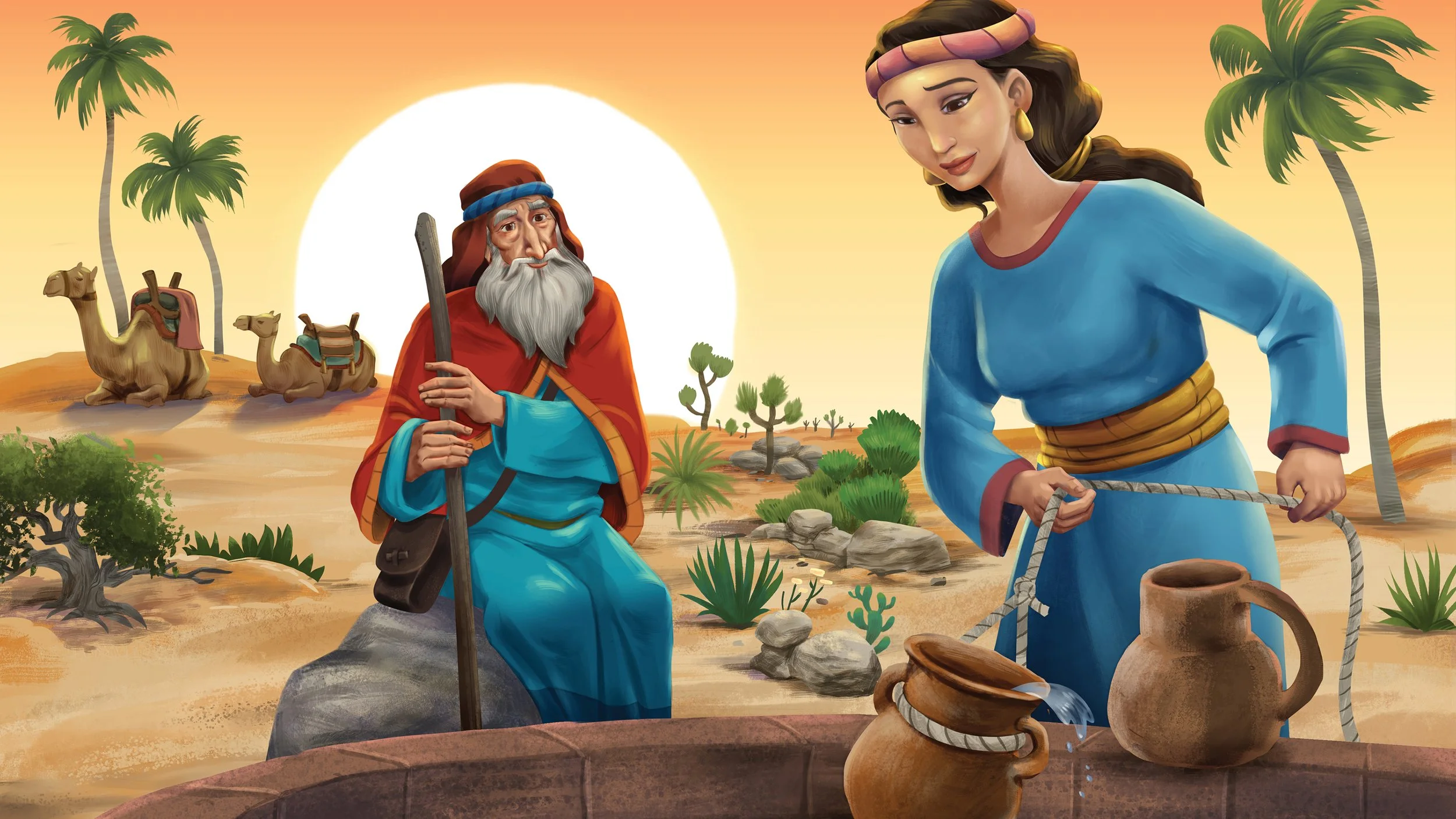
A Wife for Isaac (Genesis 24-25)

In Genesis 24-25, we find the next step in God’s plan for Abraham: finding a wife for Isaac. The first verse reveals that God blessed Abraham in everything. Abraham had trusted in God, who had taken him from his native land and had sworn to provide for his every need. Now, he trusted God to fulfill the next step in His promises, believing God would guide his servant’s steps in the search for Isaac’s wife.
How do we see God's continued faithfulness to His promise in the story of Rebekah and Isaac? How can that encourage us today?
Abraham wanted to make sure his son’s wife would be from his own land and people, not from the land of Canaan. So, he sent his trusted servant on a mission to find the wife God would provide. Prayerfully, the servant asked God for favor on this journey. But before he had finished asking God to bless him on this mission, God was already answering his prayer.
God had gone before Abraham's servant to provide for Isaac. The servant’s immediate response to Rebekah's kindness was worship to the God who “has not withheld his kindness and faithfulness.” Rebekah’s family knew Abraham’s servant had likewise been blessed by God and answered in response to this marriage proposal: “This is from the LORD; we have no choice in the matter.” They trusted in God’s goodness on their behalf and allowed His plans to unfold, just as He had spoken.
God’s promise to bless Abraham hinged upon His provision of a wife for Isaac. Yet, God's provision is not contingent upon human reason or ability. God demonstrated His sovereign kindness to Abraham, his family, and his servant through fulfilling His Word to them. The same is true in God’s plan of redemption; He provided the ultimate One we needed–Jesus–to fulfill the covenant He made in Genesis! Jesus was sent to us to be the Servant we needed to fulfill God’s mission of restoring our relationship to Him.
Ask God to continue revealing Himself to your kids. Pray that He would make His ways know to them, that redemption and salvation would take hold of their lives as they grow to understand His great love for them in Jesus.
Christ Connection: God was faithful to provide a wife for Isaac. Abraham's servant brought back Rebekah so Isaac could know and love her. God sent His servant—Jesus—to seek and save people from sin and death. Jesus was faithful. He died and rose again so that people could know and love Him.

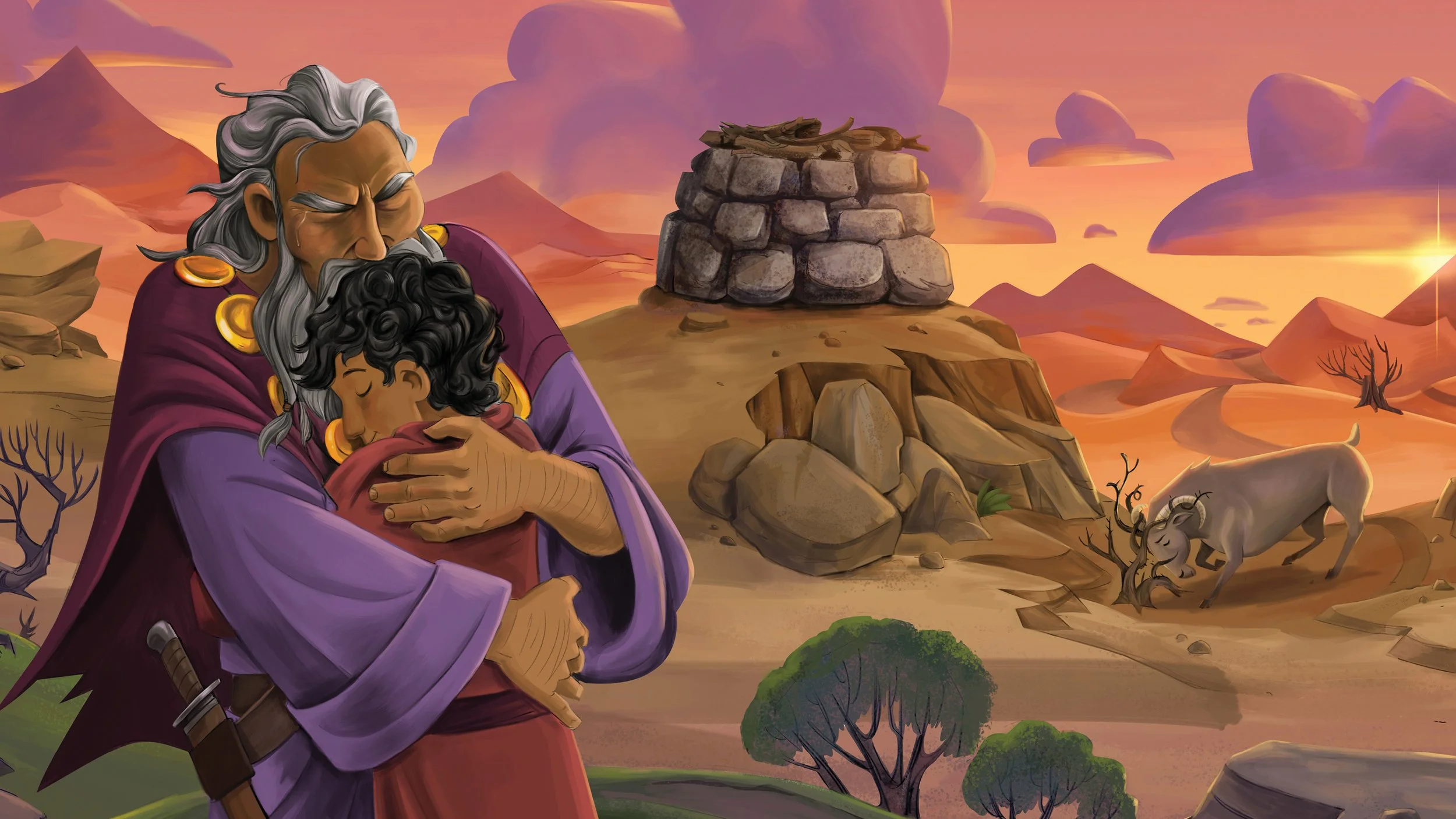
Abraham & Isaac (Genesis 22)

In Genesis 22, we read how God tested Abraham and led him to place an awe-inspiring trust in the faithful God over all creation. Abraham revealed a faith in God which reflected the trustworthiness of His character and promises. In today’s story of Abraham and Isaac, we learn what it looks like to entrust everything to God and to believe He is worthy of our ultimate obedience.
What role does worship play in today’s passage? How do we see God’s faithfulness depicted from Genesis 22 throughout the rest of Scripture?
God called Abraham to offer up his only son as a sacrifice. Abraham’s response to what seemed like such an outlandish command from God was to get up early and begin his journey to the unknown place God would reveal to him. In verse 5, we see the first use of the Hebrew word for “worship” in the Bible, spoken in reference to the sacrificial offering Abraham was willing to lay down before his God.
When Isaac inquired about the lamb for the offering, Abraham replied, “God himself will provide.” Though, logically, the death of Abraham’s son would make God's promises impossible, God would faithfully provide the ram they needed, and make good on His promises to bless Abraham through his only son.
Hebrews 11:19 states that Abraham “considered God to be able even to raise someone from the dead.” Abraham’s faith-filled obedience demonstrated that God could be trusted in any circumstance. With each new command he received from God, his response was to obey. He did not shrink back or busy himself with the lesser concerns of the world because God had proven Himself faithful over and over.
Abraham’s deep love for his one and only son points us to the greater love God has for His Son, Jesus. Though this story tells of one man’s obedient willingness to give back to God his most prized gift, we can know that God’s love for His own Son reveals His great love for us as His people. Pray that God would reveal this same love to your children and that they, too, would be willing to offer back to Him their lives as living sacrifices of worship.
Christ Connection: Abraham was willing to give his only son for God, but God provided another way. God was willing to give His only Son for us. Jesus knew there was no other way to save God’s people, so He died and rose again to provide them with forgiveness and life with God forever.


God’s Covenant with Abraham (Genesis 12, 15, 17)

In today’s reading, we see how God kept and demonstrated His faithfulness to Abraham by establishing a covenant with him. The faithfulness of God is shown through Abraham's family lineage as God's promises were ultimately fulfilled in the life, death, and resurrection of Jesus––a descendant of Abraham.
How did God establish His covenant with Abraham? What was the significance of Abram’s name change?
Though the promises of Genesis 15:4 were years away from fulfillment, God made a covenant to show that He would be faithful to do what He promised Abraham no matter what. God wagered His namesake through establishing this covenant, promising on behalf of His own name and reputation that His promises would indeed come to pass. Animal blood was shed through this ceremony and was used to seal the covenant, demonstrating the gravity of what was at stake. God spoke to His servant’s questions regarding his inheritance of both a nation and a land to call their own.
In chapter 17 when Abram received his new name from God, he was 99 years old—still childless, yet still believing by faith. For him to father not only a son, but an entire nation seemed implausible. Yet, God changed Abram’s name from “The Father is Exalted” to Abraham, “Father of a Multitude.” Though the promise of a descendant was not yet in his reach, God spoke to him and over him that His Word was true and worthy of his obedience.
The bloodshed in this covenant agreement foreshadowed the blood to be shed as God’s promises would find ultimate fulfillment in Jesus. Through His Son, God would do what seemed more impossible than Abram’s unlikely fatherhood—God would make the way for the unrighteous to be brought into His family forever. Like Abraham, we are counted as righteous when we place our faith in Christ and in His finished work on the cross. Reflect on the great lengths God demonstrated to prove that His covenant was trustworthy and how He brought it to completion through Jesus. Now is time to proclaim this covenant love to your kids. May you speak clearly about the loving faithfulness of your Father in heaven.
Christ Connection: God kept His promises to Abraham. Abraham became the father of the nation of Israel. Jesus came into the world as a descendant of Abraham to fulfill God’s promise. All who place their faith in Jesus are part of God’s family forever.

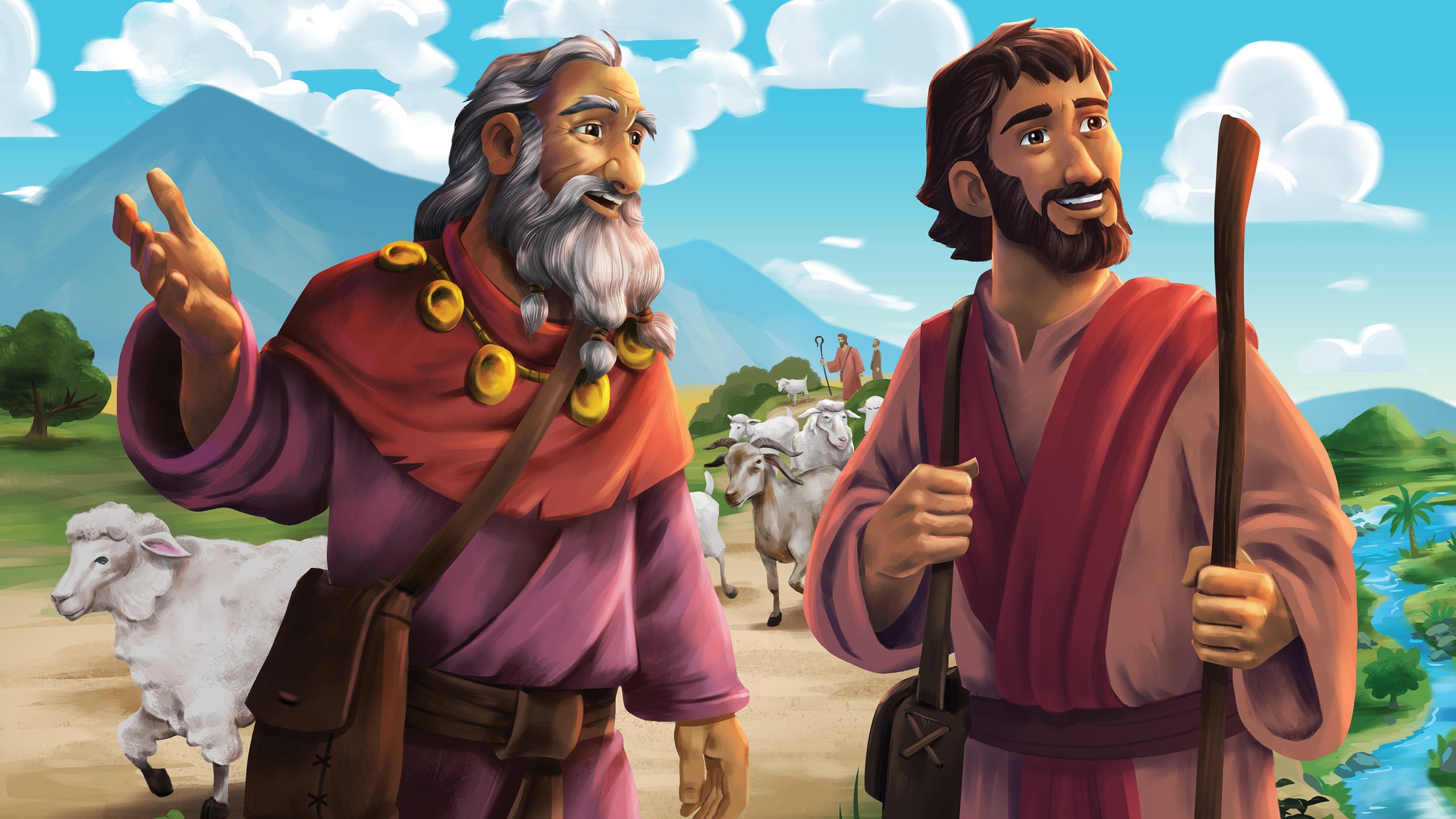
Abraham Followed God (Genesis 11-13)

In today’s passage, we read how Abram began his journey of following God. He showed marvelous faith by believing the promises God made to him, and he walked in obedience to the command of God. God proved Himself faithful and used Abram to display the glories of His promises, which would one day be fulfilled through the sacrifice and resurrection of the only truly righteous One, Jesus Christ.
How did God use Abram’s story to demonstrate His faithfulness? How is Abram’s call to follow God similar to our own stories today?
We learn from Joshua 24:2 that Abram was not raised by a family that worshiped God, but by idol worshipers. He did not know the Word of God until the day he heard it spoken to him as an old man: “Go from your land... to the land that I will show you. I will make you into a great nation” (Genesis 12:1-2). In the very next verse, Abram promptly obeyed and began his journey, just as the Lord had told him. God called him to leave the comforts of his familiar life in pursuit of God and His glory. Abram did not follow God perfectly, and still he was called a friend of God (James 2:23).
God drew near to Abram, calling him out of darkness and into His light. Today, the same God calls us to believe this same promise of rescue that was brought to completion through His Son, Jesus, who left the comforts of heaven and came into the world to save sinners. Jesus is the better Abram who trusted and obeyed the Father, “becoming obedient to the point of death—even to death on a cross” (Philippians 2:8). The steps Abram took were out of faith—faith that God would keep him safe, provide for him, and keep His promises. Abram believed God was worthy of forsaking all else. When your kids hear this Bible story, may they take steps toward trusting the same God who is worthy of our love, trust, and faithful devotion.
Christ Connection: Abram believed God’s words and obeyed God's call to leave his land and his family. God promised to bless Abram and the whole world through one of Abram’s descendants. God kept this promise when He sent Jesus, who left heaven and came into the world to rescue sinners.


The Tower of Babel (Genesis 11)

The Tower of Babel (Genesis 11)
Scripture’s Tower of Babel account tells of man’s disobedience and God’s intervening mercy to keep people from their own destruction. Not long after God’s covenant to never again destroy the earth by a flood, people chose to follow their own sinful plans rather than obey God’s good commands. Despite God’s mercy, people failed to trust Him and walk according to His ways.
In what ways is the Tower of Babel story marked by disobedience? How do we see God’s kindness in scattering His people and scrambling their language?
After blessing Noah and his sons, God decreed that they were to “be fruitful and multiply; spread out over the earth and multiply on it” (Genesis 9:7). This command seems like it would be easy to obey, but sin’s deception fueled an already present danger: mankind’s pride-fueled ambition.
God commanded His people to spread out over the earth and fill it with His glory. However, they decided to stay put and build a name for themselves. They were supposed to make much of God, but they decided to make a name for themselves instead. In His love, God drew near to them and saved them from their plans for self-glorification.
God’s decision to scatter His people and scramble their languages was part of a plan that emphasized His own glory above the people’s self-glorification efforts. Jesus, the Son of God, became man so that He would one day gather His people unto Himself—those of every tribe, tongue, and nation—not to worship or build a name for themselves, but to worship the only worthy One, King Jesus. His grace unites us, saves us, and brings us back into relationship with Him.
Consider the ways God has redirected the plans you have made for yourself. Are you, in hindsight, able to see His redirection as a means of grace upon your life? Reflect on His goodness in intervening. Pray for your kids, that they would place their trust in the God whose plans are for our good and for His ultimate glory.
Christ Connection: People ignored God’s plan and tried to make a name for themselves, so God confused their language and scattered the people all over the earth. One day, Jesus will gather together all of God’s people—people from every tribe and people who speak all kinds of languages—and they will worship Him. (Revelation 7:9-10)

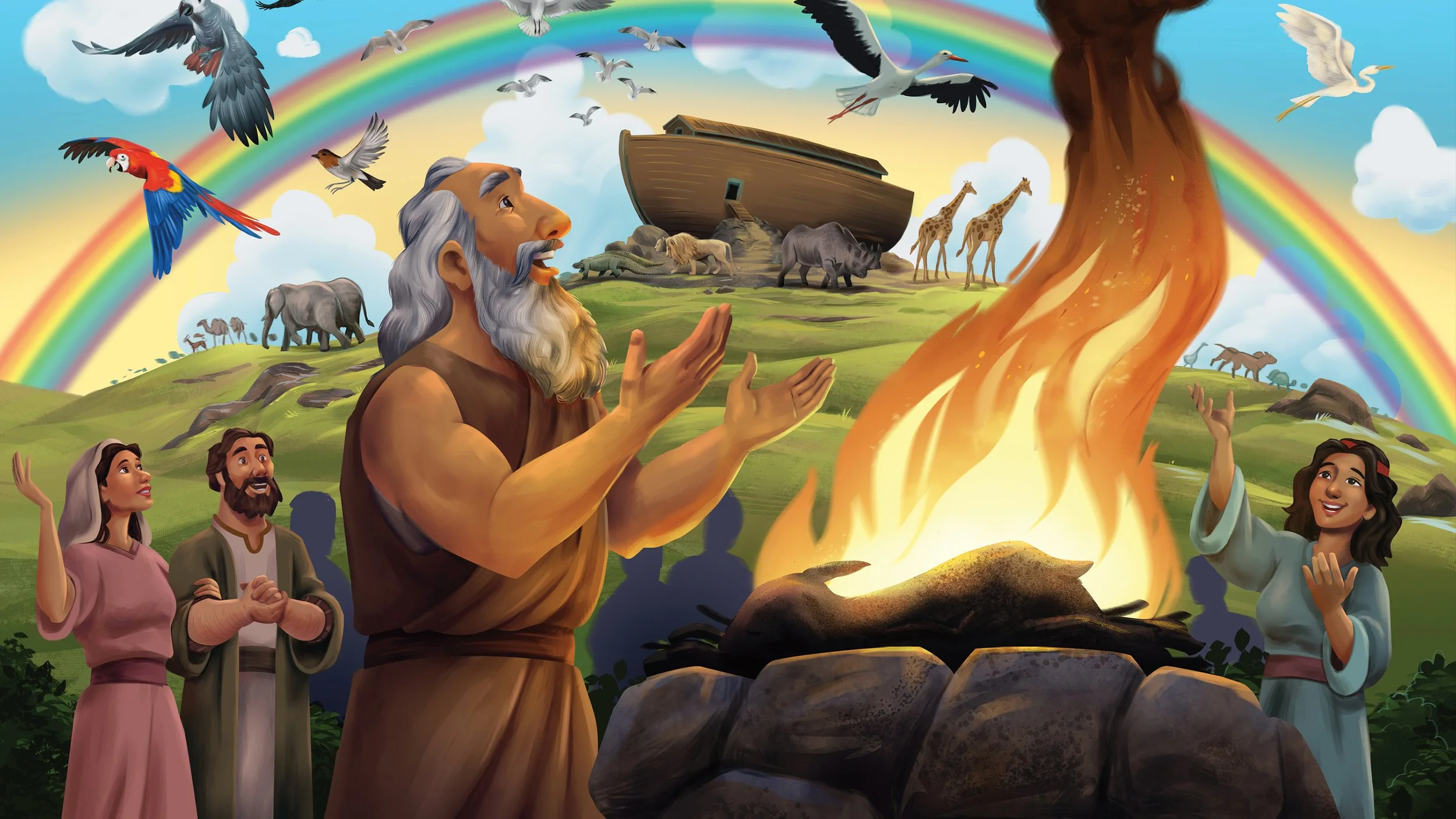
The Great Flood (Genesis 6-9)

Genesis 6 gives us an understanding of the growth of early civilization. After Adam and Eve were cast out of the garden of Eden, the sinful state of humanity spread as far and wide as their family trees. God saw that every inclination of the human heart was evil all the time. And God regretted that He had made man. Yet, God had a plan to redeem His created world from sin that leads to death.
How did God provide salvation for Noah and his family? How has God provided redemption for us?
Though God was deeply grieved by the lifestyles of humanity, He found favor with righteous Noah. God chose to spare Noah from the destruction to come. He explained to Noah that, through faith-led obedience, he and his family would be spared from the flood waters. God instructed him to build an ark and to supply it with everything the people and animals needed while onboard.
As the water surged on the earth for 150 days, God remembered Noah and the ark and caused the storms to cease. Then God established a covenant with Noah, that He would never again curse the ground as He had with the flood. He blessed Noah’s family, instructing them to be fruitful and multiply. Even though God’s judgment on sin resulted in the waters flooding the earth, God provided a means of salvation that would result in a greater rescue to come through the family line of Noah.
Still, Noah’s obedience was not enough to secure mankind’s ultimate salvation. Even after the rescue of Noah and his family, God knew the inclination of the human heart was still evil. (Gen 8:21). A greater rescue and superior sacrifice were needed to rescue people from sin. God would send His own Son to take on the wrath they deserved. Noah’s faithfulness in building the ark is but a glimpse of Christ’s faithfulness in taking to a different wooden vessel—the cross—and securing the salvation of all who would place faith in Him. Help your kids see the mercy of God through the story of Noah’s ark, that the God who created them has been faithful to provide the way back to Him through faith in His Son, Jesus.
Christ Connection: God rescued Noah and his family from the flood. The story of Noah points to an even greater rescue. God’s Son, Jesus came to take the punishment for our sin. By trusting in Him, we are saved from the power of sin and death.

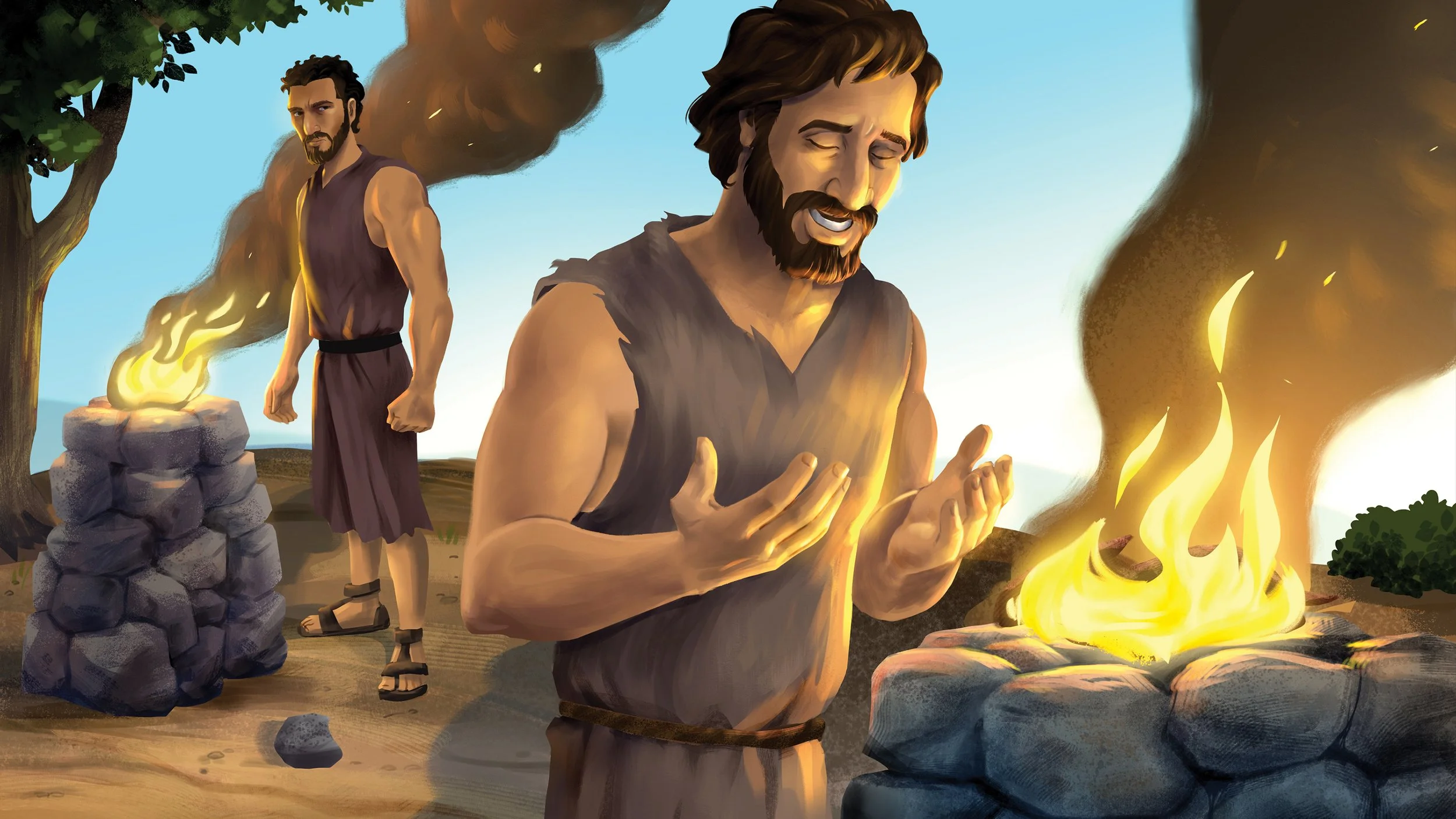
The First Family (Genesis 4)

Genesis 4 offers insight into the first family in history—showcasing the deathly reality of sin and merciful nature of God. Here, we read of Abel’s blood that was wrongfully shed, which cried out for condemnation. In contrast, however, the gospel speaks of a different firstborn Son whose blood provides everlasting life to us instead.
How does Cain’s life differ from Eve’s expectations for her firstborn son? What can we learn about sin, sacrifice, and the God who is worthy of worship?
Brothers Cain and Abel both offered sacrifices to God, but the former’s offering wasn’t truly a sacrifice—pleasing to God and reflective of His true worth. God spoke directly to Cain asking him to consider why he felt so rejected by His response to the offering. God also warned him that though sin’s temptations were strong, he could rule over it. Yet Cain did not heed the words of his Creator. Instead, he chose destruction and would soon end his own brother’s life.
God drew near to Cain and addressed his wrongdoings, acknowledging the unjust death of the righteous Abel. God told Cain that he was now cursed. As a result, Cain would not receive back from the earth the fruit of his labors and would wander for the rest of his days. Even still, God protected Cain from the fate he forced upon his brother; he received protection against the threat of death by another’s hands. However, this act was only a glimmer of God’s mercy toward sinners. The greatest picture we see of His mercy is in Jesus’ blood shed at the cross, the ultimate offering to satisfy God’s wrath toward our unrighteousness.
Reflect on the Jesus’ righteousness in light of the unrighteousness of Cain, Adam and Eve, and the rest of mankind. The promised descendant who would redeem us amidst our sin wasn’t Eve’s firstborn son, but Jesus, the firstborn of all creation. God’s plan has always been to redeem us through faith in His Son. Pray that your kids hearts will be opened to the mercy of their Creator who leads us away from destruction and into everlasting life.
Christ Connection: God had promised that one of Eve’s descendants would put an end to sin and death. Cain was not that descendant. He was sinful like his parents, Adam and Eve. As families grew and sin spread, people waited for God to keep His promise. At just the right time, God would send His Son, Jesus, to save sinners.
Story Point: Sin Separates Us From God.


Sin Entered Into the World

Sin Entered Into the World (Genesis 2-3)
Genesis 2–3 recounts sin’s entrance into the world through Adam and Eve’s disobedience. From the earliest pages of the Old Testament, we are introduced to the gravity of sin and people’s need for redemption––a redemption promised by God through an offspring of Eve. A Rescuer would come to undo the curse of sin and crush the serpent.
How has God provided for His people since the beginning of time, from before the fall of man until this very moment? What evidence do we see of His kindness and care—especially in light of Christ?
God revealed His glory through Eden, a thriving garden where His people’s needs were lovingly met. His beautiful creation was all theirs for the taking with only one exception: “ … you must not eat from the tree of the knowledge of good and evil, for on the day you eat from it, you will certainly die” (Genesis 2:17). God's command was not a means to withhold good. Rather, His command was for their good. That is, by obeying Him, they would actually find life.
When faced with the serpent’s lies, Eve failed to believe God's words. She was enticed by the fruit's appearance, the proposition to be like God, and the allurement of obtaining wisdom. She and her husband’s eyes had indeed been opened to the knowledge of good and evil; however, because they disobeyed God’s command, they would now experience sin's consequences and the reality of death.
Despite His people’s disobedience, God sought them in their sin. He provided them with clothing from animal skins to cover their nakedness and shame. However, the sacrifice of this animal was not a once-and-for-all event, but the foreshadowing of a greater death to repair this severed relationship between God and man—Christ’s sacrifice on the cross. God's merciful promise in Genesis 3:15 provides all people with the opportunity to be freed from the curse of sin and find life in Christ. As Romans 5:19 reminds us, "For just as through one man’s disobedience the many were made sinners, so also through the one man’s obedience the many will be made righteous."
While you ponder today's truths, take time to meditate on God’s care for His people—from the beauty of creation to the mercy revealed in Jesus’ sacrifice. Consider God’s provision in redeeming His people and drawing close despite their sin. May you relay His truths clearly to your kids as you also make evident the faith you have in Jesus Christ.
Christ Connection: Adam and Eve sinned when they rejected God’s good plan and disobeyed His command. Sin separates people from God, but God didn’t leave them without hope. God sent His Son, Jesus, to live as Adam didn’t—perfectly sinless. God the Son came to earth as a man to rescue people from sin.



God Created the World (Genesis 1-2)

In Genesis 1–2, we encounter one of Scripture’s most well-known passages: the creation story. This account is foundational to recognizing God as Creator and King over everything. Yet, as foundational as this account may be, faith is still a necessary component of understanding this biblical account and in trusting the goodness of the triune God—Father, Son, and Spirit—whose good creation makes known His glory and His purposes.
So, how do we find Jesus within the creation account?
To understand Jesus within the context of Genesis 1–2, we must focus on how God chose to create the heavens and the earth. He did not simply point at the formless void and silently fashion it into existence; rather, He used His voice to speak. Hebrews 11:3 declares, “By faith we understand that the universe was created by the word of God, so that what is seen was made from things that are not visible.” In His speaking, out of nothing (ex nihilo) came creation.
In the New Testament, Jesus is referred to as “the Word” to specifically demonstrate that God has revealed Himself to us through Jesus. Just as God spoke creation into existence, making His glory and will known through His words, so did He also make Himself known by the Word of God coming to earth. In fact, John 1:1 teaches us that “In the beginning was the Word, and the Word was with God, and the Word was God.” Jesus is God in flesh who came to dwell in the very creation He created. Jesus, the Word, was there at the dawn of creation and present as the Father spoke and the Spirit hovered over the waters (Genesis 1:1-3).
The apostle Paul later wrote in Colossians 1:16-17 that everything was created by Jesus, through Jesus, and for Jesus. He was before creation, and by Him all things are held together; the Word has been present since the beginning.
Pray that God reveals His glory in the person of Jesus Christ to your kids’ hearts and minds. Ask for clarity in your words as you proclaim His truths. May God grant faith to the hearers of this story, helping them trust the truth of His Word.
Christ Connection: By faith, we believe that God created the whole world by His word. (Hebrews 11:3) Jesus, the Word of God, is Lord over all of creation. Everything was created by Him and for Him. The Son has always existed, and He holds everything together. (Colossians 1:16-17)



Primary (K5-1st)

Welcome to our Primary Class!
Sundays 10am & 11am


We love our K5-1st grade children! They are beginning to learn to read. They enjoy opportunities to move. They play cooperatively. All their large and fine motor skills are developing. Our volunteers teach children God’s Word in engaging ways, share the Gospel, sing God’s truths with hand motions and guide them through crafts and activities tailored to their developmental level.
Wednesdays at 6:45pm
Sparks (K5-Grade 2) learn and memorize God’s Word with an emphasis on developing caring relationships with their leaders. Bible biographies show children how others in Bible times interacted personally with God. Sparks learn that they can also know God personally through the gift of His Son, Jesus. Sparks also experience fun through songs, games and periodic crafts.

Gospel Project for Kids (K5-5th Grade)

VOLUME 1 - CREATION AND COVENANT
The Bible begins with creation. God created everything for His glory. When sin entered the world through Adam and Eve, God made a promise and set into motion His plan to redeem His people through His Son, Jesus Christ—a descendant of Abraham.
UNIT 1: GOD RULES OVER CREATION
God created the universe out of nothing. The eternal God rules over His creation. Everything was created to give glory to God the Father through His Son, Jesus, but people chose to reject God’s good plan. The whole Bible reveals how Jesus came to restore the relationship between God and humanity.
BIG TRUTH QUESTION & ANSWER: Who is God? God is our Creator and the King of everything.
Sept 1 - Session 1: God Created the World (Genesis 1–2)
Sept 8 - Session 2: Sin Entered the World (Genesis 2–3)
Sept 15 - Session 3: The First Family (Genesis 4)
Sept 22 - Session 4: The Great Flood (Genesis 6–9)
Oct 6 - Session 5: The Tower of Babel (Genesis 11)
UNIT 2: GOD MADE A PROMISE
God’s faithfulness is demonstrated in His fulfillment of the promises He made to Abraham, Isaac, and Jacob. The promises of God are not dependent upon the understanding or faithfulness of man. He is always faithful to keep His promises. God’s covenant with Abraham, that all people would be blessed through his family, is a promise that points to Jesus as the hope of the world.
BIG TRUTH QUESTION & ANSWER: Does God keep His promises? Yes, God always keeps His promises because He is faithful.
Oct 13 - Session 1: Abram Followed God (Genesis 11–13) & Session 2: God’s Covenant with Abraham (Genesis 12; 15; 17)
Oct 20 - Session 3: Abraham and Isaac (Genesis 22)
Oct 27 - Session 4: A Wife for Isaac (Genesis 24–25)
UNIT 3: GOD IS IN CONTROL
God is in control of all things in heaven and on earth. Nothing is outside of His good plan. We see this in the lives of Jacob, Joseph, and Job. God is a faithful promise keeper who is always present with His people despite their difficulties and suffering.
BIG TRUTH QUESTION & ANSWER: Who is in control of everything? God is in control of everything in heaven and on earth. Nothing is outside of God’s good plan.
Nov 3 - Session 1: Jacob and Esau (Genesis 25; 27)
Nov 10 - Session 2: Jacob Fled from Canaan (Genesis 28; 32)
Nov 17 - Session 3: Joseph Taken to Egypt (Genesis 37; 39–46; 50)
Nov 24 - Session 4: The Suffering of Job (Job)

Preschool Fall Lesson Schedule

Preschool (K3-K4) Fall Lesson Schedule
Sept 1 - Creation Days 1-4; Memory Verse: Genesis 1:1
Sept 8 - Creation Days 5-6; Memory Verse: Genesis 1:1
Sept 15 - Creation: God made people; Memory Verse: Genesis 1:1
Sept 22 - Adam and Eve Sin; Memory Verse: Romans 3:23
Oct 6 - Noah: God Keeps His Promises; Memory Verse: Romans 3:23
Oct 13 - David the Shepherd Boy; Memory Verse: Psalm 23:1
Oct 20 - Elijah Fed by Birds; Memory Verse: Psalm 23:1
Oct 27 - Jonah and the Big Fish; Memory Verse: Psalm 23:1
Nov 3 - Daniel in the Lion's Den; Memory Verse: Psalm 139:14
Nov 10 - Net Full of Fish; Memory Verse: Psalm 139:14
Nov 17 - Feeding of the 5,000; Memory Verse: Psalm 139:14
Nov 24 - Jesus Loves Children; Memory Verse: Psalm 139:14

What is Awana?
What is Awana?
Awana is designed to help your child understand the gospel of Jesus Christ.
Our caring, trained volunteers develop engaging relationships and teach Bible truths so that Christian discipleship can happen.
Your kids will memorize truth from God’s Word—and receive guidance in understanding it.
Games and special dress-up nights create a fun environment and help kids earn team points, and missions focus happens twice a year too! Check out our Awana calendars for more details about special themes, memory verses and events.
How old does my child have to be?

Cubbies (K3-K4) The purpose of Cubbies is to teach respect for God, His Son, and His Word. The Cubbies curriculum is:
God-focused
Christ- centered
Built on the Bible
Prioritizes the home
Promotes loving, respectful relationships
Weekly activities include Bible memory, snacks, crafts, puppets and age-appropriate hands-on Bible learning. Cubbies resources will encourage and equip you to actively nurture your child. Our volunteers will work alongside you to guide children into truth.

Sparks (K5-Grade 2) learn and memorize God’s Word with an emphasis on developing caring relationships with their leaders. Bible biographies show children how others in Bible times interacted personally with God. Sparks learn that they can also know God personally through the gift of His Son, Jesus. Sparks also experience fun through songs, games and periodic crafts.

Truth & Training (Grades 3-5) kids begin with games, and our volunteers always have a Bible application for each one. Clubbers then transition to a Bible lesson, songs, and Bible memory in small group discussions led by caring adults who want to help them grow in their walk with the Lord. Check out our Awana calendar for more details.
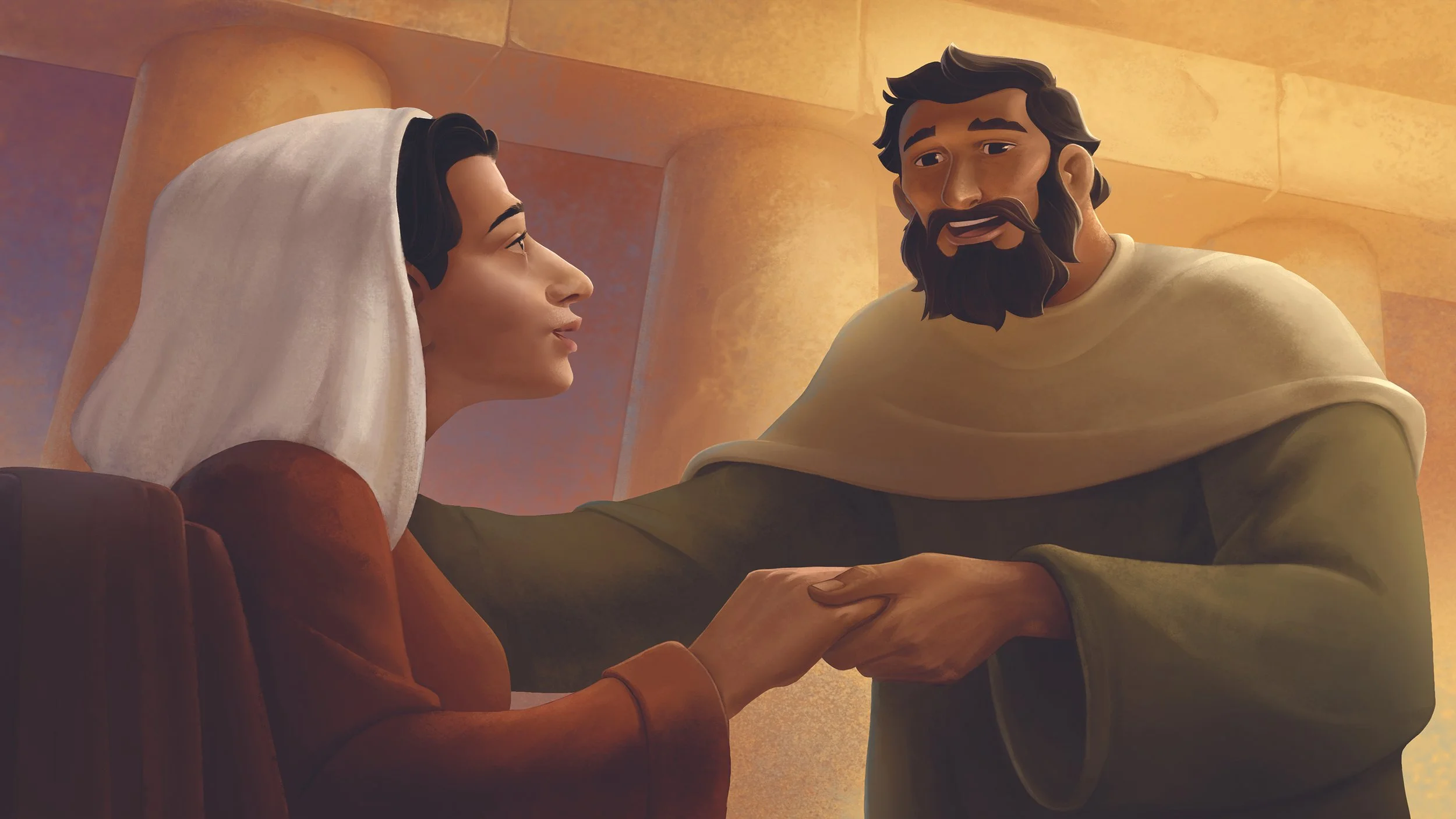
Peter Performed Miracles (Acts 9)

Peter Performed Miracles (Acts 9)
Peter’s miracles in Acts 9 showcase the power of the Holy Spirit at work within the early church. Though the people who witnessed and heard of these healings and resurrections were amazed and intrigued, Peter did not perform them to wow the crowd or to even illustrate his own strength. Rather, he met people’s needs as a means of demonstrating God’s power at work, that more may come to saving faith in Jesus and truly believe Him to be Messiah and Lord.
What was the significance of the restoration of Aeneas and the revival of Dorcas? What did these events reveal about Christ’s saving power through the faith of Peter?
Both instances of Peter’s miraculous acts were evidence of Christ’s power to heal despite the impossible circumstances. While Christ's power through Peter brought physical healing to the man in Lydda, it also brought spiritual healing to the people in Lydda and Sharon as they turned to the Lord. Similarly, Dorcas' resurrection was used by God to draw many people to faith in Christ––the One who holds power over the grave.
These miracles performed by Peter point to the reality of Jesus’ power and to the proof that He is still alive within His followers. The usual patterns of sickness and death were not the final endings for Aeneas and Dorcas; rather, they were the work of the Lord’s restoration and redemption—pointing to the reality that everlasting life is ours through the power of Jesus. And through these events, we are encouraged to remember the hope we have in Christ, who is making all things new.
As you talk with your kids this week, remember that you, too, get to share the good news of hope and healing to the next generation of young disciples. Just as Peter “called the saints and widows and presented [Dorcas] alive,” so, too, are you proclaiming the gift of everlasting life you have in Jesus.
Christ Connection: When the Holy Spirit gave Peter power to perform miracles, people saw what happened and believed in Jesus. These miracles remind us of Jesus’ miracles, which proved He is the Son of God who came to bring salvation to the world.

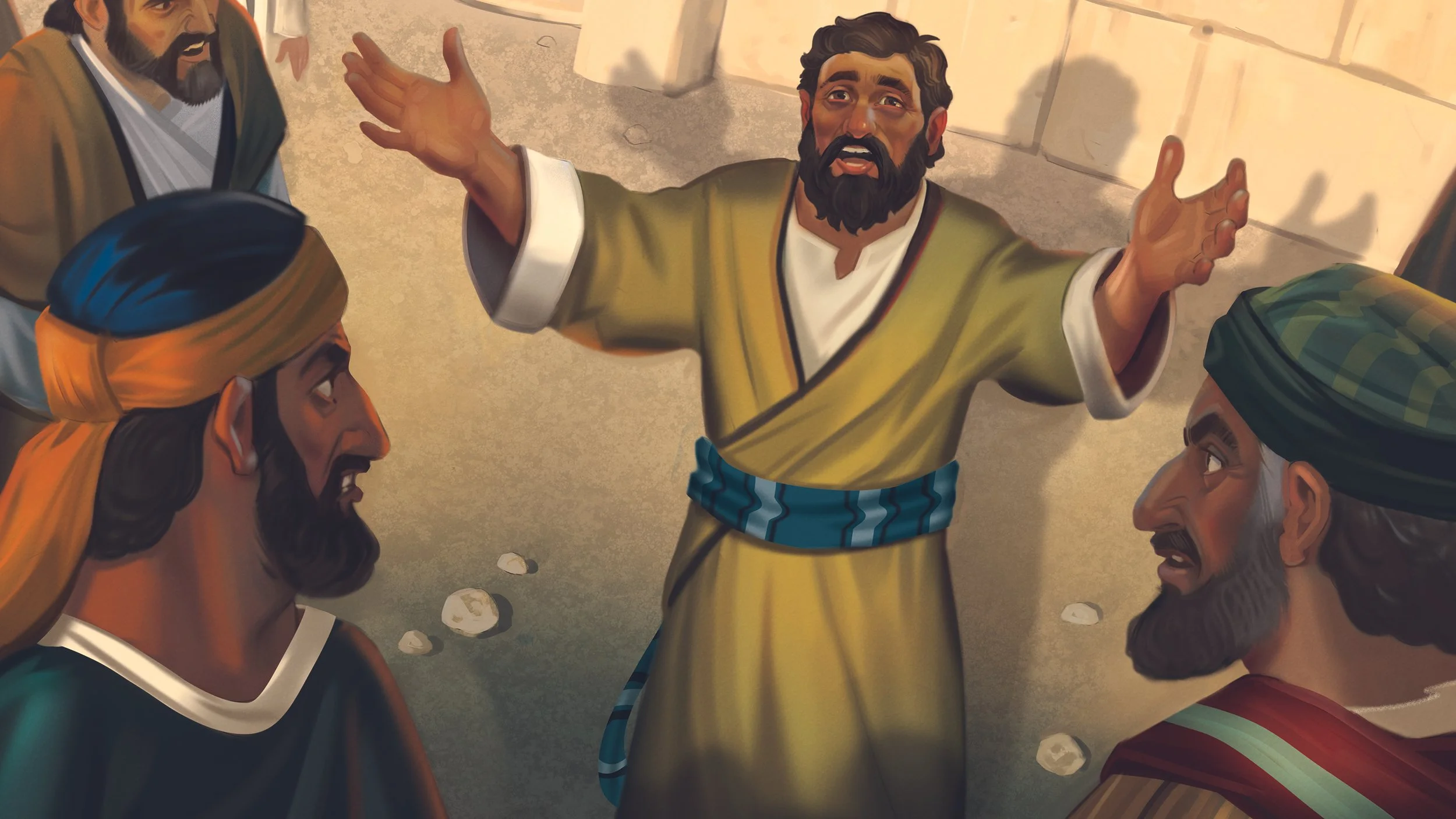
Stephen Was Arrested (Acts 6&7)

Stephen Was arrested (Acts 6&7) and Jesus Suffered for us (Phil. 2)
Acts 6 and 7 detail the story of Stephen, the first follower of Jesus martyred for his unwavering boldness in proclaiming Jesus as Lord. Despite the rejection Stephen faced, he remained firm in his gospel witness to those in the Sanhedrin. Recounting the stories of the Old Testament, Stephen declared God’s faithfulness to bring the Messiah into the world, even through the rebellious nation of Israel.
How was Stephen able to boldly declare the gospel and endure persecution? What parallels can we make between Jesus and Stephen that encourage us in our faith?
When asked for confirmation of the accusations against himself, Stephen's response was to walk the high priest through the Old Testament’s accounts of God’s promises. Stephen made known the rebellion of the Jewish people—how they rejected God's Word and resisted the Holy Spirit. He spoke of what God declared back then and how God’s promises came to completion in the death and resurrection of His only Son, Jesus. Stephen believed the promises of God and had faith in the Righteous One who died for the sins of the world. Stephen was able to face such terrifying persecution and death because he was filled with the Holy Spirit.
As Stephen stood among the Jewish leaders, Scripture tells us that “his face was like the face of an angel.” While the leaders’ countenance only displayed anger and outrage, Stephen mirrored the ways of Jesus on his face, in his boldness, and through the forgiveness he prayed over the Sanhedrin members’ sins. As Jesus' followers, we also will face opposition from others. Yet, while we await the return of Christ, we can reflect His love and truth to those around us.
Consider what it looks like for followers of Jesus to be so filled with the Holy Spirit that they remain on mission for the gospel no matter the cost. How could God use our faithful witness of the gospel to save even those most hostile to the good news? Explain to your kids that when we find our comfort and hope in Jesus, we can withstand rejection we may face, as we exchange the momentary approval of man for the eternal favor and blessings of God.
Christ Connection: Jesus told His followers that they would be persecuted—hated, hurt, or even killed—for loving Him. Jesus also said that those who suffer for Him would be blessed. We can face suffering in this life because Jesus suffered first. He died and then rose again, and He is waiting for us in heaven.


The Apostles Were Arrested (Acts 5)

The Apostles Were Arrested (Acts 5) & Jesus Suffered For Us (Phil 2)
In Acts 5, we find the apostles performing many signs and wonders through the power and grace they received from the Holy Spirit. The healing power of the Holy Spirit displayed through Peter, in particular, was so compelling that people laid the sick in the path of his shadow. United in purpose, the apostles also continued their mission to share the gospel with those around them, and as a result, they filled Jerusalem with their teaching! However, with the favor of their community came the opposition of the Jewish leaders who grew jealous of the apostles’ ministry.
How did the early church navigate the ups and downs of their ministering experiences? What choices did they make when faced with rejection and suffering?
Instead of cowering to the demands of the religious leaders to stop sharing the gospel, the apostles rejoiced in being counted worthy of mistreatment in Jesus’ name. They continued to be faithful to Jesus' command to share the gospel and, leaving directly from the presence of the Sanhedrin, they made a daily practice of preaching and teaching the good news of Jesus Christ in the temple and from house to house.
Even when the apostles experienced persecution and shameful mistreatment, the power of God at work was evidenced in their boldness to continue to preach the name of Jesus. Amidst many uncertainties and challenging circumstances, they remained steadfastly assured of the power of the gospel to save anyone who believes. On this truth they placed their hope as they rejoiced in their suffering.
As you prepare to discuss this session with your kids, consider all that the apostles endured as they sought to share God’s Word so that people might hear and believe in the name of Jesus. If you find yourself in a difficult circumstance, thank God for their example of endurance despite times of trouble. Help your kids understand that when we face rejection and suffering, Christ remains near to us, just as He did to His church so long ago. We, too, can count it all joy as we face trials and trust that Jesus is worth giving our lives to.
Christ Connection: Jesus calls His followers to be faithful and tell others about Him, even in times of trouble. Just as Jesus experienced rejection and suffering, so will His followers. We can have joy in suffering, knowing God uses our suffering, like Christ’s, for His glory.


2024 Summer Lessons - Volumes 11 & 12 Gospel Project for Kids

Volume 11: From One Nation to All Nations
Unit 31: The Church Is Opposed
Why did Jesus become human? Jesus became human to obey His Father’s plan and rescue sinners.
6/23 - The Apostles Were Arrested (Acts 5) & Jesus Suffered for Us (Phil 2)
6/30 - Stephen Was Arrested (Acts 6–7) & Jesus Suffered for Us (Phil 2)
Unit 32: The Church Grows
What is the church? The church is all Christians everywhere, who gather together in their communities to worship and serve God.
7/7 - Peter Performed Miracles (Acts 9)
7/14 - Peter Was Rescued from Prison (Acts 12)
7/21 - Special Speaker
Unit 33: The Church Goes
Who can be saved? Anyone who trusts in Jesus can be forgiven of their sins and be right with God.
7/28 - Paul Became a Christian (Acts 9) & Jesus Can Forgive Anyone (2 Cor 5)
8/4 - Paul Became a Missionary (Acts 13–14) & Jesus Can Forgive Anyone (2 Cor 5)

Volume 12: FROM THIS WORLD TO THE WORLD TO COME
Unit 34: The Church on Mission
What is our mission as Christians? Our mission is to make disciples of all nations by the power of the Holy Spirit.
8/11 - We Are Here to Glorify God (Romans 15) & The Churches summarized (Acts & The Epistles)
Unit 35: Paul’s Mission to Rome
Why should we praise Jesus? We should praise Jesus for what He has done to provide our salvation and because He will one day make all things right.
8/18 - We Are Here to Make Much of Jesus (I Thess 4-5) & Paul in Rome (Acts 21-28)
Unit 36: The Church’s Hope
What is the hope of the church? The church looks forward to Jesus’ return when He will make all things new.
8/26 - We Will Be Part of the New Heaven and Earth (Rev 21–22)
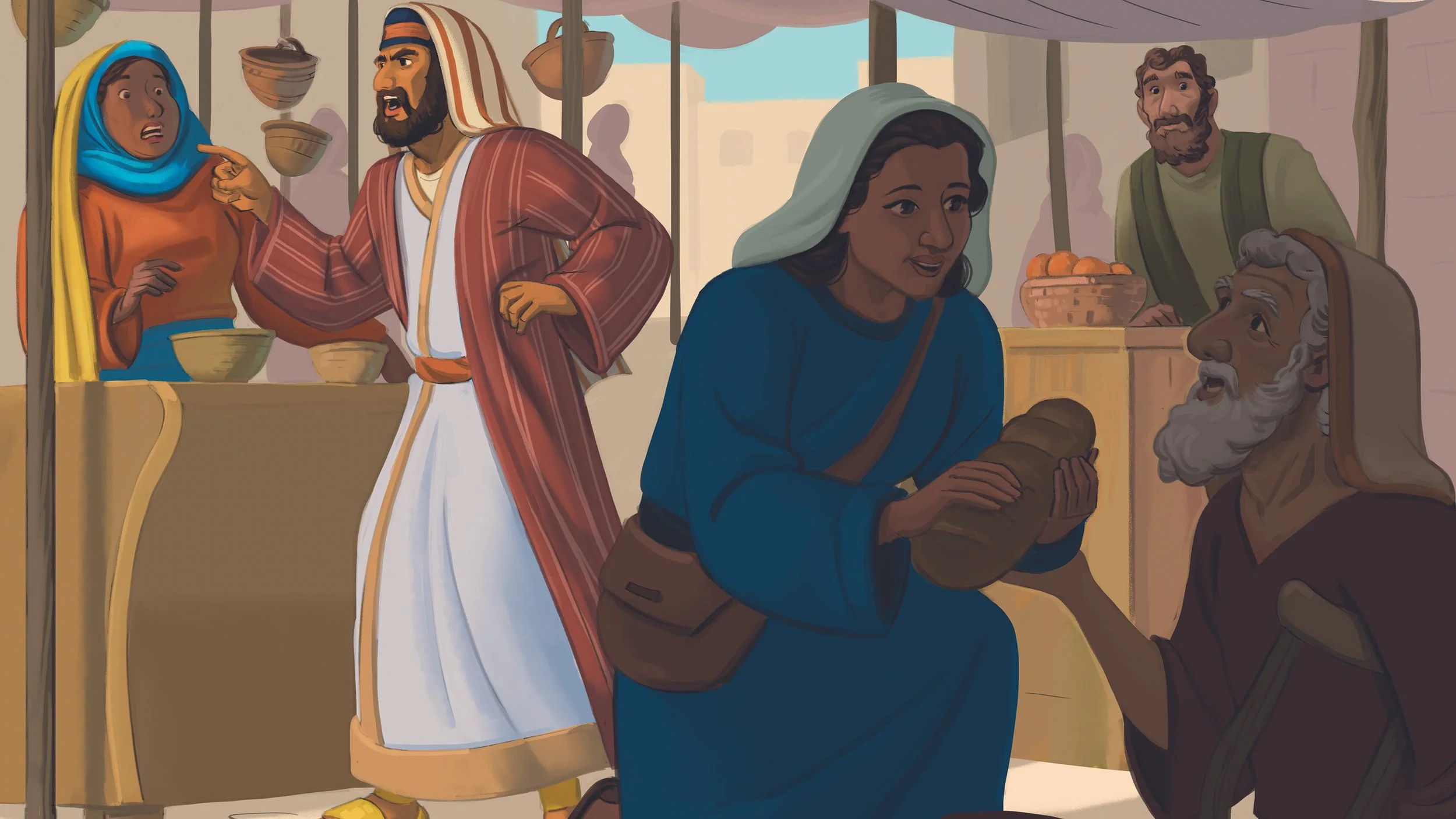
Volume 10: The Holy Spirit Changes Us

The Holy Spirit Changes Us (Galatians 5)
Today’s passage from Galatians illustrates the Holy Spirit’s power in Christ followers’ lives. Written by the apostle Paul to the non-Jewish congregation in Galatia, this letter outlines the importance of pursuing righteousness by faith as opposed to the works of the flesh.
How are believers today at risk of pursuing legalism or lawlessness rather than the love of God just as the church in Galatia did? Why is it essential to live in step with the Holy Spirit’s guidance instead of false doctrines or the whims of our flesh?
Though thousands of years have passed since Paul first penned this writing to believers in the place known today as Turkey, today’s Christians still wrestle in the faith as they did back then—between the belief that we must earn salvation and the tendency to forgo good works altogether. For the Galatians, the issue at play was a mistaken belief that circumcision was necessary upon coming to faith.
Paul discussed how being led by the Holy Spirit in faith is our hope of righteousness; it is not our works that save us, but faith in the work Christ did on our behalf. Even so, good works are the evidence of His power in action within our lives. Christ kept His promise to send the Holy Spirit, and He in turn empowers and enables us to be His witnesses on mission to the world through our words and our actions.
The balance between legalism and lawlessness could never be attained by doing more good things or by avoiding being bad; rather, the steadiness we seek is only found in following the Holy Spirit’s guidance. The proof of our following is the fruitfulness in our lives, as seen in the ways we love God and our neighbors.
As you prepare to study Galatians 5 with your kids, consider sharing how the Holy Spirit’s guidance has shaped your own spiritual journey. May we all continue to grow in fruitfulness as we yield to the power of the Spirit in our own lives.
Key Passage: But the fruit of the Spirit is love, joy, peace, patience, kindness, goodness, faithfulness, gentleness, and self-control. The law is not against such things. Galatians 5:22-23
Christ Connection: The Holy Spirit changes our minds and hearts so that we want to obey God, and He gives us power to obey. The Holy Spirit guides us as believers as we live out God’s mission for us to share the gospel in all the world.
Volume 10: The Holy Spirit Came

The Holy Spirit Came (Acts 2)
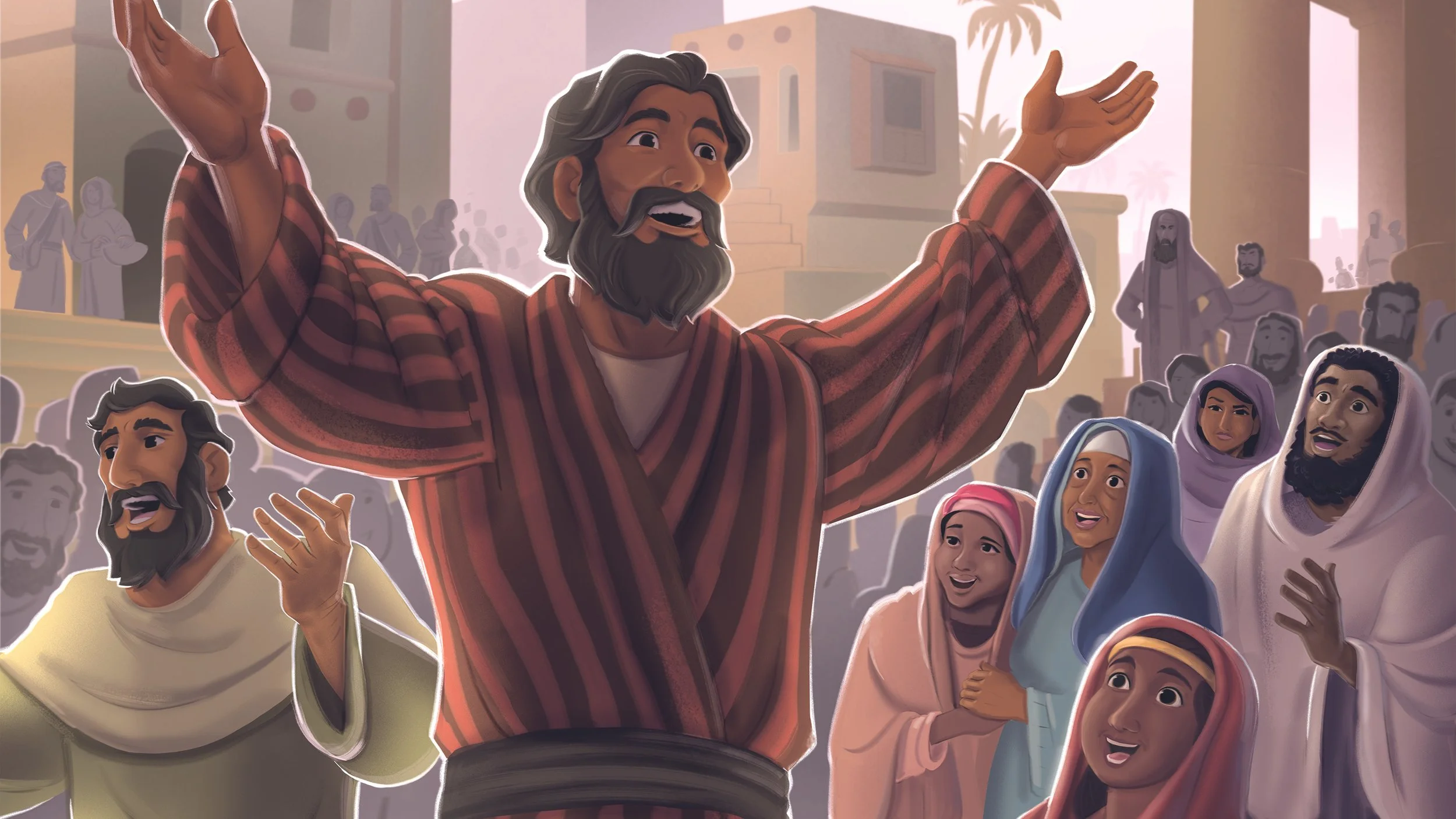
In Acts 2, we find the fulfillment of Jesus’ promise from Acts 1:8. Jesus' followers devoted themselves to one another and to His mission, and we can observe their unity in the first verse of this passage. They experienced the power of the Holy Spirit together as a church body unified by more than mere proximity.
What was the significance of the Holy Spirit’s arrival on the day of Pentecost? How did His presence lead to the furtherance of Christ’s mission? Many devout Jews traveled to Jerusalem to observe the harvest festival as usual, but the Holy Spirit offered new meaning to their celebrated traditions of old. On this day of celebrating God’s provision through the old covenant, Pentecost now signified the new covenant made possible through faith in Jesus by the power of the Holy Spirit.
The Spirit’s presence meant that Jesus kept His promise to provide comfort and help. His provision came as His Spirit fell upon them in this new, tangible way. With visions of fiery tongues and the sound of rushing wind, the room where the followers expectantly gathered was filled with a stirring like never before.
Jesus declared they would receive power through His Holy Spirit, and their identity as His witnesses was forever secured. Through the power of the Holy Spirit, Christ’s followers broke down barriers to communicate the gospel in languages they had never spoken before. What a mighty act of God through such a miraculous feat! His people were empowered to declare His magnificence in these new languages of praise.
Help your kids see that Jesus’ followers are to speak His praises just as they did in this story. The day of Pentecost points to who Christ is: the Savior who seeks out the lost and breaks down barriers. Explain how the Holy Spirit comes into our lives, too, when we trust in Jesus. The faithfulness of Christ’s people on the day of Pentecost led thousands to come to faith. May we, too, be just as eager to live on mission and communicate the gospel just as faithfully.
Christ Connection: God kept His promise to send the Holy Spirit. With the Holy Spirit’s help, Jesus’ disciples could begin their work to share the gospel with the entire world. God gives the Holy Spirit to everyone who trusts in Jesus as Lord and Savior.


Preschool (K3-K4)
welcome to our preschool class
Sundays at 10am & 11am
Summer Preschool Lesson Schedule 2024
June 2 Baby Moses, Burning Bush ; Memory Verse: Psalm 124:8
June 9 God punishes Egypt ; Memory Verse: Psalm 124:8
June 16 Red Sea Crossing ; Memory Verse: Psalm 124:8
June 23 Water from a Rock; Memory Verse: Psalm 124:8
June 30 10 Commandments; Memory Verse: Psalm 27:11
July 7 Joshua and the battle of Jericho; Memory Verse: Psalm 27:11
July 14 Gideon; Memory Verse: Psalm 27:11
July 21 David Trusts God (David & Goliath); Memory Verse: Psalm 27:11
July 28 Elijah Reminds the Israelites to Worship only God; Memory Verse: Deuteronomy 7:9
August 4 Naaman; Memory Verse: Deuteronomy 7:9
August 11 Shadrach, Meshach and Abednego Worhsip only God; Memory Verse: Deuteronomy 7:9
August 18 Esther; Memory Verse: Deuteronomy 7:9
August 25 Widow's Mite; Memory Verse: Deuteronomy 7:9
Wednesdays at 6:45pm
Cubbies (K3-K4) features Bible memory, snacks, crafts, puppets and age-appropriate hands-on Bible learning in a setting that fosters love and respect for God. Cubbies resources will encourage and equip you to actively nurture your child. Our volunteers will work alongside you to guide children into truth.