
MORNINGSIDE KIDS
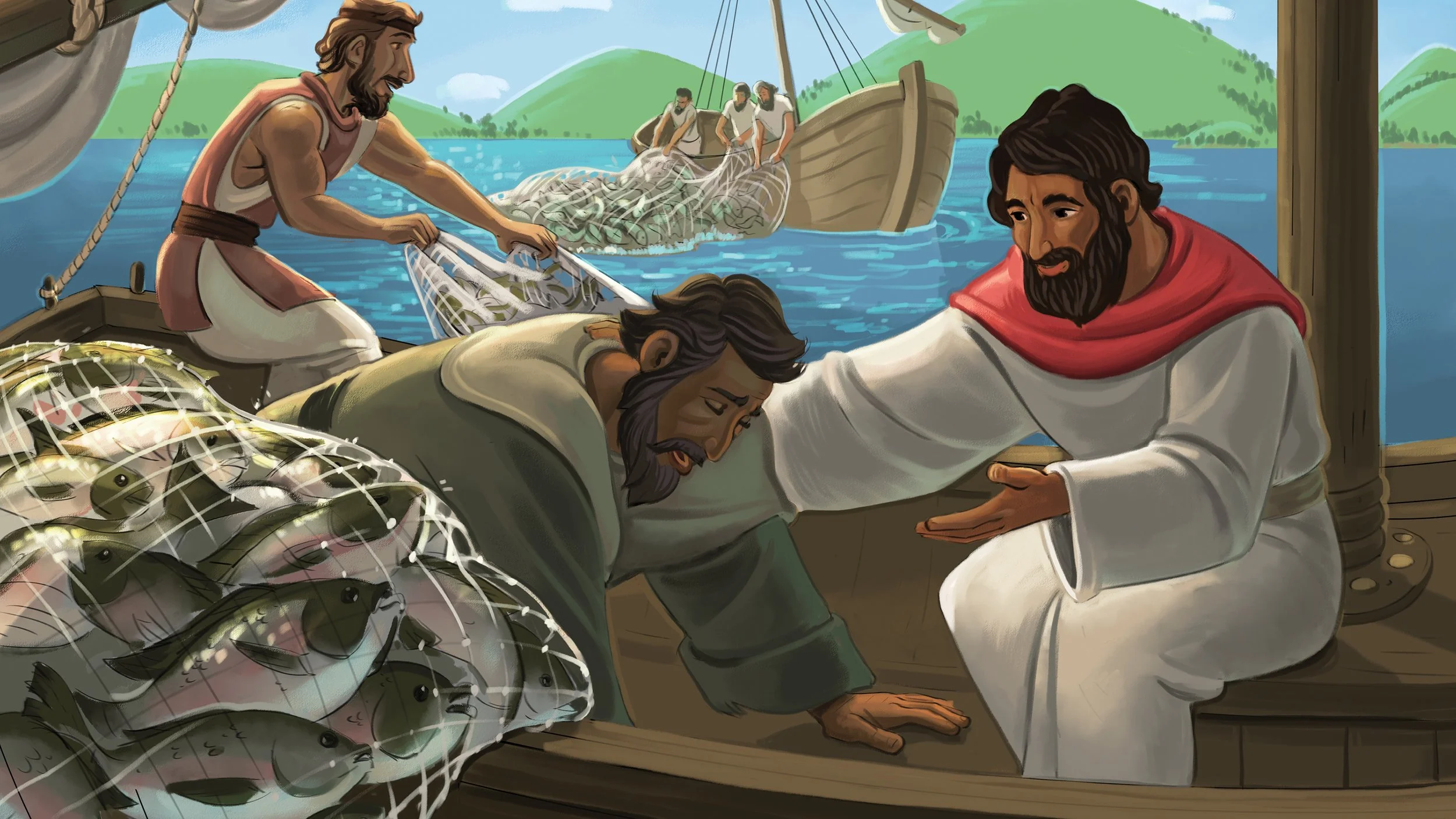
Volume 7: Peter Worshiped Jesus

PETER WORSHIPED JESUS (LUKE 5)
The Gospels record dozens of descriptions of the works that Jesus did. We learn about how He served, saved, and showed His power in miraculous ways for the sake of revealing His divine authority to His disciples and others.
Yet even with all the astounding works of Jesus that are described through Matthew, Mark, Luke, and John, the Gospels still don’t contain the whole of all that Jesus did. In fact, John concludes his Gospel by declaring, “And there are also many other things that Jesus did, which, if every one of them were written down, I suppose not even the world itself could contain the books that would be written” (John 21:25).
However, in several moments throughout the Gospels, we find Jesus’ works stacked on top of one another in such a way that we can see the magnitude of His miraculous works and powerful teachings. One of those chapters is Luke 5. In just 39 verses, we see how Jesus provided, healed, forgave, called, and taught. This account ought to stir our hearts toward a deeper love and worship of Jesus.
When reading a chapter like Luke 5, two types of questions may come to mind. First, when you think about Jesus, what do you believe about what He has done and how He continues to work? Do you find yourself only convinced of what you have experienced Him doing in your own life? Do you limit yourself to believing only what you can imagine is possible? Or do you trust with confidence all that the Bible describes of Jesus’ works?
Second, does reading about these works of Jesus cause your heart to swell with worship? Do you respond to reading these accounts or seeing Jesus’ work with mild acknowledgement or with grand astonishment that leads your heart to love and worship Jesus more?
What is it that causes your heart to be drawn to God? What is it that causes you to worship? The discovery of the amazing works of Jesus ought to lead us to the answers for these questions. And if it does not, spend time praying and asking God to change your perspective, soften your heart, and draw you to Himself.
Christ Connection: Peter understood that he was a sinner and recognized that Jesus is God. He responded to Jesus’ grace and kindness by following Him. When we understand that Jesus is God and that we are sinners, we can turn to Him for forgiveness and follow Him by faith.


Books of the Bible Challenge

Books of the Bible Challenge
Our Books of the Bible Challenge has started! Kids (K5-5th grade) who successfully complete the challenge will receive either a $10 gift card or earn $10 towards Junior Boot Camp at the Wilds. This is one initial way for kids to Know God. Here's a couple of musical resources to help your child practice the Old Testament & New Testament books at home. Primary children have already begun memorizing the New Testament on Sunday mornings. Both Primary and Elementary children will enjoy activities and review games to help memorize all the books of the Bible. The M&Ms help kids remember the different genre (divisions) in the Bible.
Law - Yellow
History - Orange
Poetry & Wisdom - Brown
Prophecy - Blue
Gospels - Red
Letters - Green

Volume 8 - From Wonder to Rejection
VOLUME 8: FROM wonder to rejection
As Jesus’ ministry furthered, God’s plan to provide a King came to fruition. The divine miracles, teachings, and example of Jesus show us how to live differently in light of the sure hope we have.
Unit 22: The Miracles of Jesus
During His earthly ministry, Jesus performed a number of amazing miracles. He calmed storms, healed sickness, fed multitudes, and more. Each miracle was done out of compassion for people, but also to prove that He is the Son of God.
Is Jesus God or a human? As the Son of God, Jesus is both fully God and fully human.
Memory Verse: “No man has seen God at any time, the only begotten Son, the Father has declared Him.” John 1:18
Sept 24 - SESSION 1: Jesus Calmed a Storm (Matthew 8; Mark 4; Luke 8)
Oct 1 - SESSION 2: Jesus Healed and Forgave (Matthew 9; Mark 2; Luke 5)
Oct 8 - SESSION 3: Jesus Healed Sickness (Matthew 9; Mark 5; Luke 8)
Oct 15 - SESSION 4: Jesus Fed Many People (Matthew 15; Mark 8)
Oct 22 - SESSION 5 (Big Truth Session): Jesus’ Miracles Prove He Is God (John 14)
Unit 23: The Teachings of Jesus
Jesus taught like no one else—as One who has authority. Everything Jesus taught about revealed what God’s kingdom is like, the kingdom that Jesus had come to establish in full.
What did Jesus teach when He was on earth? Jesus taught about God and His kingdom. He taught that all Scripture is about Him.
Memory Verse: “Yours, O LORD, is the greatness, the power and the glory, the victory and the majesty; for all that is in heaven and in earth is yours; yours is the kingdom, O LORD, and you are exalted as head over all.” I Chronicles 29:11
Oct 29 - SESSION 1: Reformation Sunday/Jesus Taught about Character (Matthew 5)
Nov 5 - SESSION 2: Jesus Taught about Behavior (Matthew 6)
Nov 12 - SESSION 3: Jesus Taught about God’s Love (Luke 15)
Nov 19 - SESSION 4: Jesus Taught about God’s Kingdom (Matthew 13)
Nov 26 - SESSION 5 (Big Truth Session): We Are Part of God’s Kingdom (Matthew 22; Luke 14)
Unit 24: The Rejection of Jesus
Even though Jesus performed amazing miracles, including raising someone from the dead, the religious leaders rejected Jesus and managed to turn the people against Him too. Their sinful hearts were hard. Even this rejection, however, was part of God’s plan to bring salvation to the world.
Why do people reject Jesus? People reject Jesus because all people are born with a sin nature and want to please themselves rather than obey God.
Memory Verse: “He is despised and rejected by men; a man of sorrows and acquainted with grief: and we hid as it were our faces from him; he was despised, and we did not esteem him.” Isaiah 53:3
Dec 3 - A NIGHT IN BETHLEHEM!
Dec 10 - The Story of Mary and Joseph (10 & 11am)
Dec 17 - Shepherds Worship Jesus (10am only)
Dec 24 - Promise of a Savior - Prophecy (10am only)
Dec 31 - Wise Men Worship Jesus (10am only)
Jan 7 - SESSION 1: Jesus Knew He Would Be Rejected (Luke 13)
Jan 14 - SESSION 2: Jesus Raised Lazarus (John 11–12)
Jan 21 - SESSION 3 (Big Truth Session): The World Is Against God (Ephesians 6)

What is Awana?

what is awana?
Awana is designed to help your child understand the gospel of Jesus Christ.
Our caring, trained volunteers develop engaging relationships and teach Bible truths so that Christian discipleship can happen.
Your kids will memorize truth from God’s Word—and receive guidance in understanding it.
Games and special dress-up nights create a fun environment and help kids earn team points, and missions focus happens twice a year too! Check out our Awana calendars at Morningside Kids for more details about special themes, memory verses and events.
HOW OLD DOES MY CHILD HAVE TO BE?

Cubbies (K3-K4) features Bible memory, snacks, crafts, puppets and age-appropriate hands-on Bible learning in a setting that fosters love and respect for God. Cubbies resources will encourage and equip you to actively nurture your child. Our volunteers will work alongside you to guide children into truth.

Sparks (K5-Grade 2) learn and memorize God’s Word with an emphasis on developing caring relationships with their leaders. Bible biographies show children how others in Bible times interacted personally with God. Sparks learn that they can also know God personally through the gift of His Son, Jesus. Sparks also experience fun through songs, games and periodic crafts.

Truth & Training (Grades 3-5) kids begin with games, and our volunteers always have a Bible application for each one. Clubbers then transition to a Bible lesson, songs, and Bible memory in small group discussions led by caring adults who want to help them grow in their walk with the Lord. Check out our Awana calendar for more details.
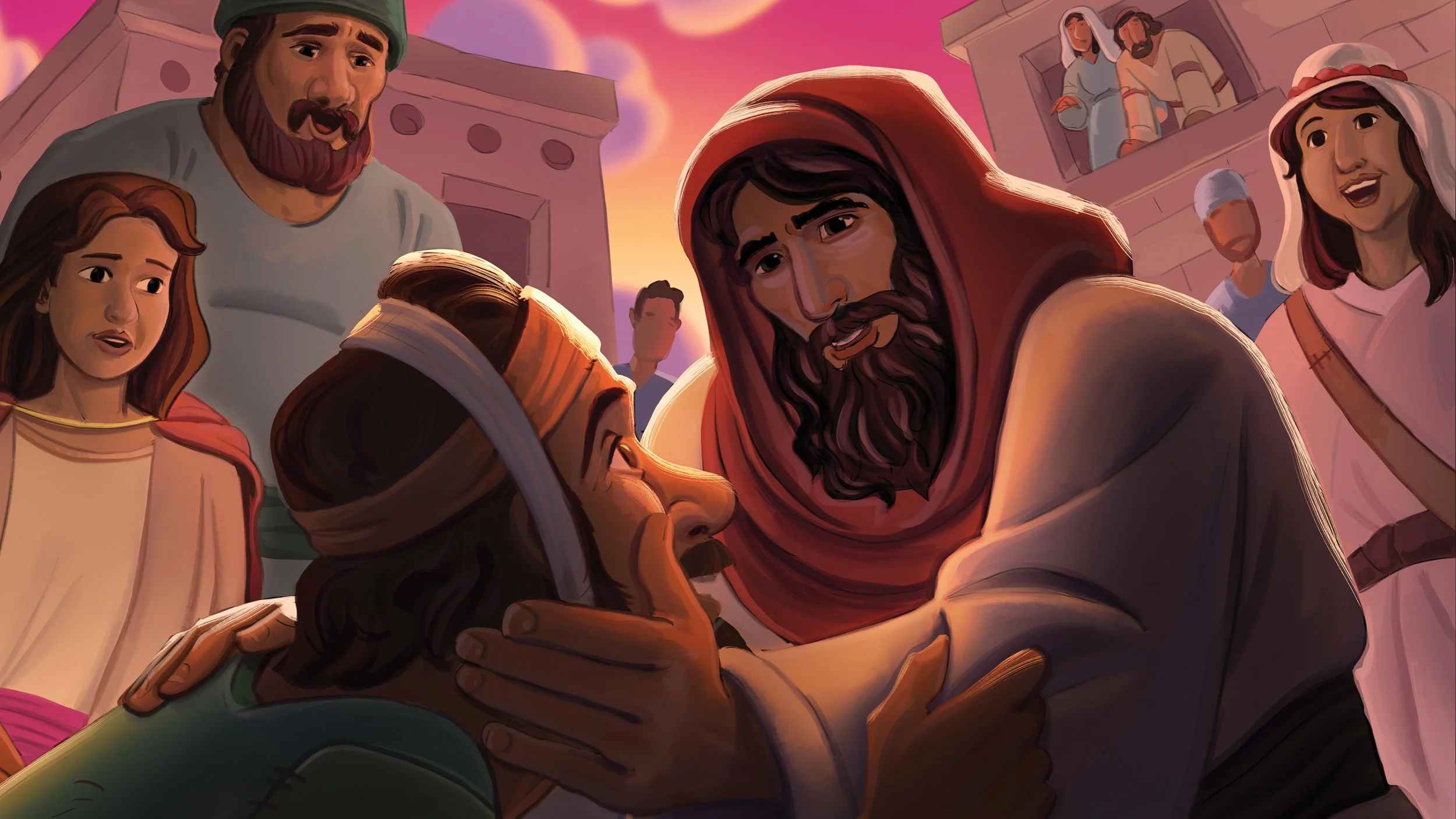
Volume 7: People Were Amazed by Jesus

PEOPLE WERE AMAZED BY JESUS (LUKE 4)
“I stand amazed in the presence of Jesus the Nazarene, and wonder how he could love me, a sinner, condemned, unclean.” These words from Charles Hutchinson Gabriel’s classic hymn “My Savior’s Love” have been sung and treasured for more than a century. When Gabriel first released this song in a 1905 hymnbook, it served as a reminder to the church of the deep love of God, His work through Christ, His presence in all circumstances, and their cause for celebration and amazement.
In all the rich truths of the five stanzas of this great hymn, the first line may be most striking: “I stand amazed in the presence of Jesus the Nazarene.” Why? Because it reminds us of the unfathomable reality that we are able to stand in the presence of God by no other means than God’s gracious work through Jesus. Paul reinforced this idea in his Acts 17 address at the Areopagus: “For in him we live and move and have our being, as even some of your own poets have said, ‘For we are also his offspring.’” (Acts 17:28)
What causes you amazement? What brings a sense of awe? Are you guilty of being captivated by a sunset but being indifferent to the Savior? Are you left breathless by the miracle of new life, only to be largely unaware of the miracle of sustained life?
We rightly experience moments of wonder as we witness some of the incredible ways that God works in our lives; however, we often miss the everyday opportunities for amazement of the same degree.
This week, set your mind to remember that gift of God’s grace found in being able to stand in the presence of God because of the work of Christ applied to you. Take time to remember the gracious gift of God’s sustaining power in your life—keeping breath in your lungs, relationships in your life, and function to every other part of your being. Stand amazed in the presence of Jesus, who sustains your very life and has cast such incredible love on an undeserving sinner.


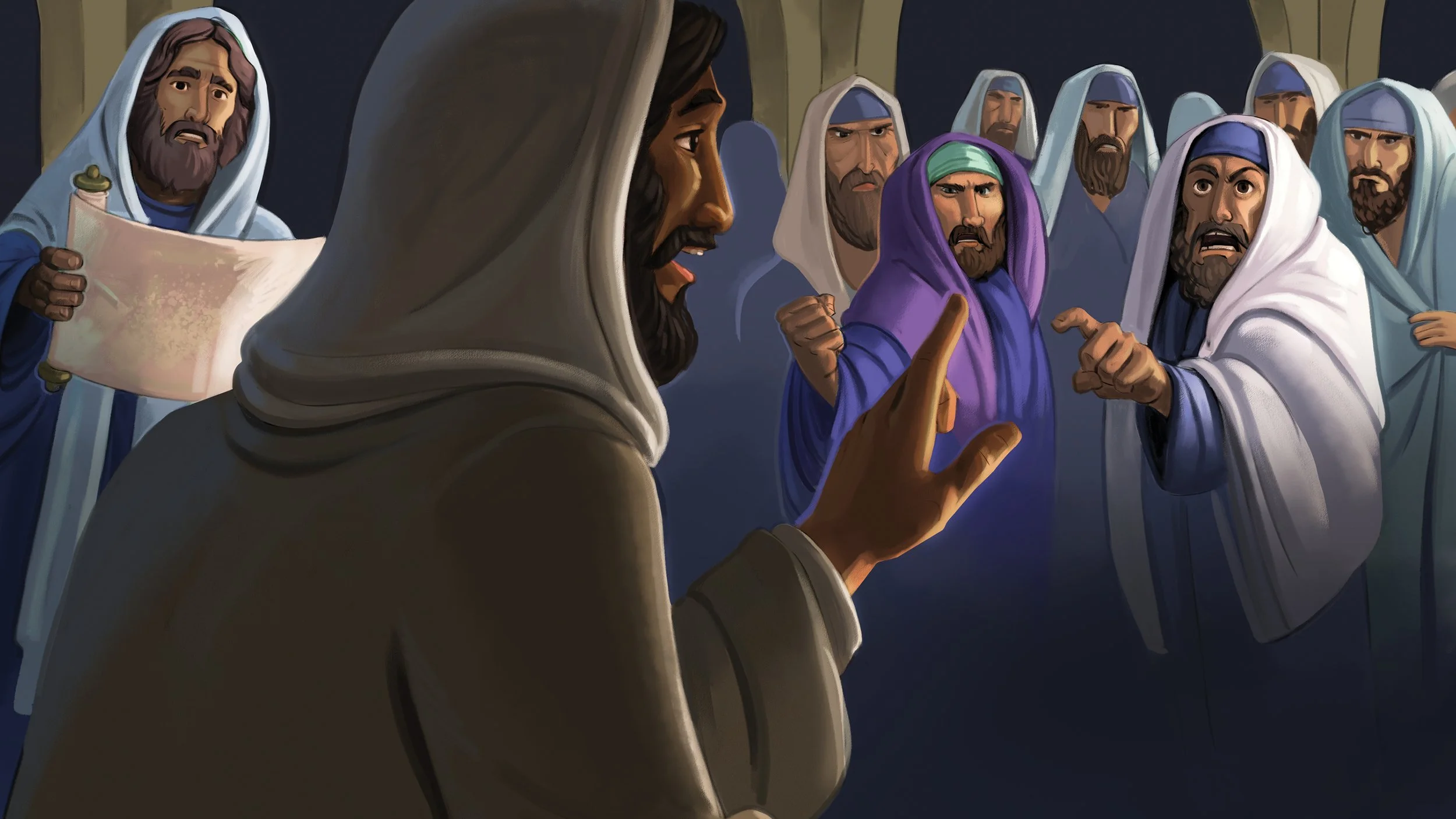
Volume 7: People Rejected Jesus

PEOPLE REJECTED JESUS (LUKE 4)
Some have described the journey of walking with Jesus as one of highs and lows, mountain tops and valleys. Even as a believer, there are good days and bad days. There are times when remaining faithful comes easy. There are days when doors open for sharing the gospel and other days when a door is slammed shut.
Two truths remain in every moment of every day for the believer: God remains faithful, and Jesus has been there.
In the highs and the lows, God is faithful. He is present and active in all circumstances. He is involved and working out His plans in all things. There is not a moment of past, present, or future that God is not intricately involved in. And in addition to this, He is working for our good and His glory in all things. He has promised to not leave or forsake those who trust in Him.
The believer can also find great hope in knowing that when we are tempted, rejected, or discouraged, Jesus Himself has been there. In Luke 4, we find Jesus experiencing the high of widescale praise and affirmation at His teaching followed immediately by a gut-wrenching dismissal by those in His own hometown.
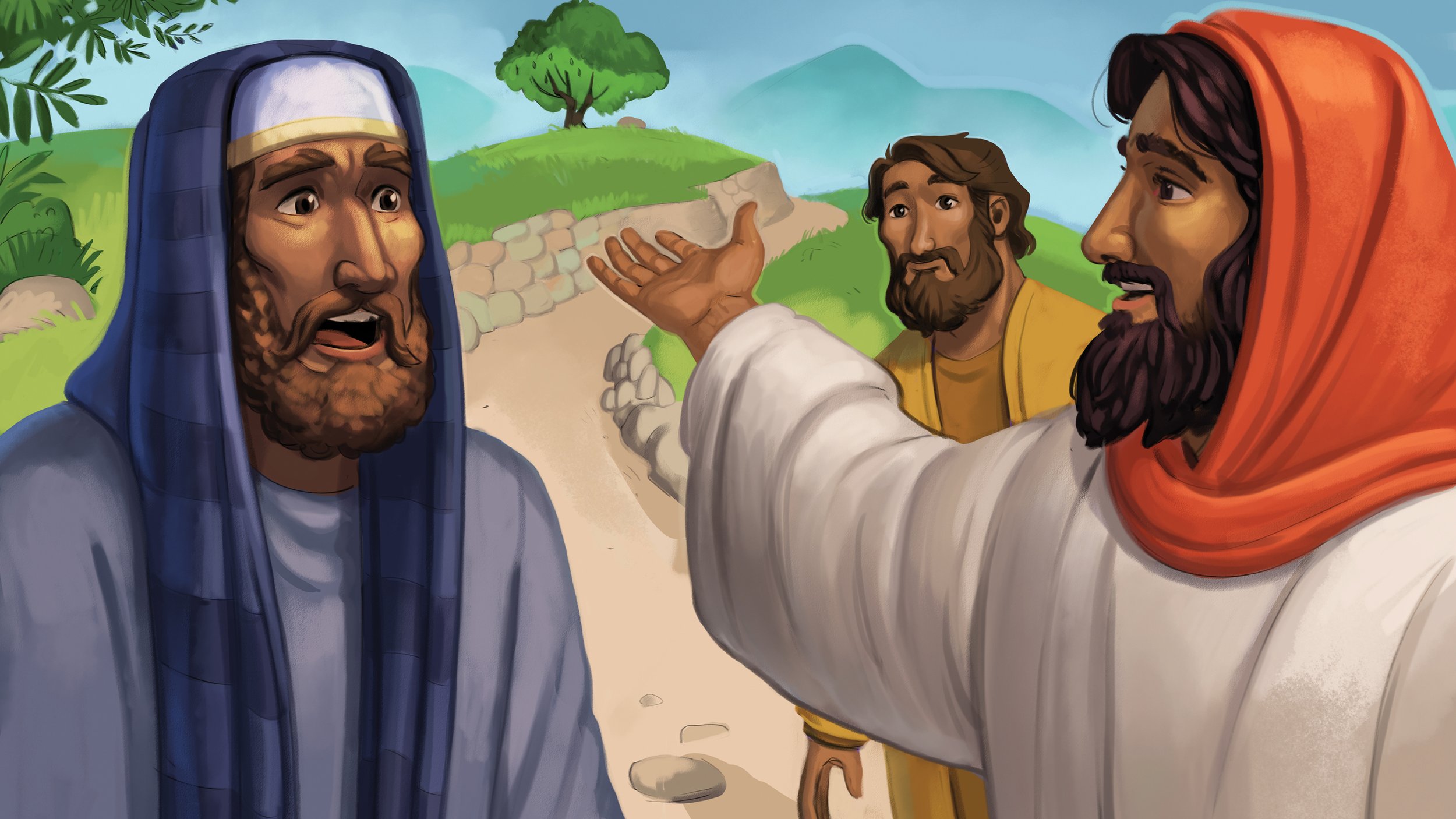
After Jesus taught in the synagogues of Galilee, news of His teaching spread and people gathered to hear from Him. They praised Him as He read from the Scriptures. But the response He found upon entering Nazareth was quite different.
Jesus stood up to read from the scroll of Isaiah and teach how the Scriptures pointed to Himself. Rather than being received with praise, He was questioned. Though they were amazed at the power of Jesus’ words, they doubted that Jesus—the son of Joseph who had grown up among them—could be the Savior of the world. They became even more enraged by His claims as Jesus confronted their unbelief with His unwillingness to perform signs, and His desire to take the good news to all people. Jesus’ next stop? Capernaum to share the same message.
Some people will accept Jesus, but many will reject Him. Regardless of how people respond to the gospel, believers can find encouragement in knowing Jesus remains faithful to His purpose and plan In our highs and in our lows, we can find comfort in the Lord’s presence with us.


Volume 7: God Loves All People

GOD LOVES ALL PEOPLE (I CORINTHIANS 13)
God is loving. God is love. What’s the difference between these two statements? If God is simply loving, then He fits a particular definition of love; however, if God is love, then He Himself is the definition. For God to be loving does not necessitate that He is love, but if God is love, then He most certainly is loving.
Why does this matter? Well, a simple observation of culture demonstrates that there are multiple definitions of love. Some may suggest that love is a feeling or an action. Some may suggest that love is a noun or a verb. But if God is love, then we ought to look no further than Him and His Word to discover what love truly is.
In light of this, where Scripture describes God, we find imagery of what love is. And when Scripture describes love, we discover more of who God is. First Corinthians 13 utilizes a litany of adjectives to describe love, ultimately describing God Himself.
In this text, we find how God loves and, in particular, how He loves us. God loves us with patience, kindness, satisfaction, humility, thoughtfulness, sacrifice, truthfulness, and hope. This description ought to stir our hearts toward the worship of the God of love and move us in the direction of this type of love toward others.
The ultimate example of God’s love is Jesus, who said, “Love one another. Just as I have loved you, you are also to love one another” (John 13:34). First John 4:16 says, “And we have come to know and to believe the love that God has for us. God is love, and the one who remains in love remains in God, and God remains in him.”
God is love and God is loving; therefore, to know God is to know love. As we grow in this understanding, we can begin to demonstrate the type of love that we see in Him. And, Lord willing, others will see Him through our reflection of His love.


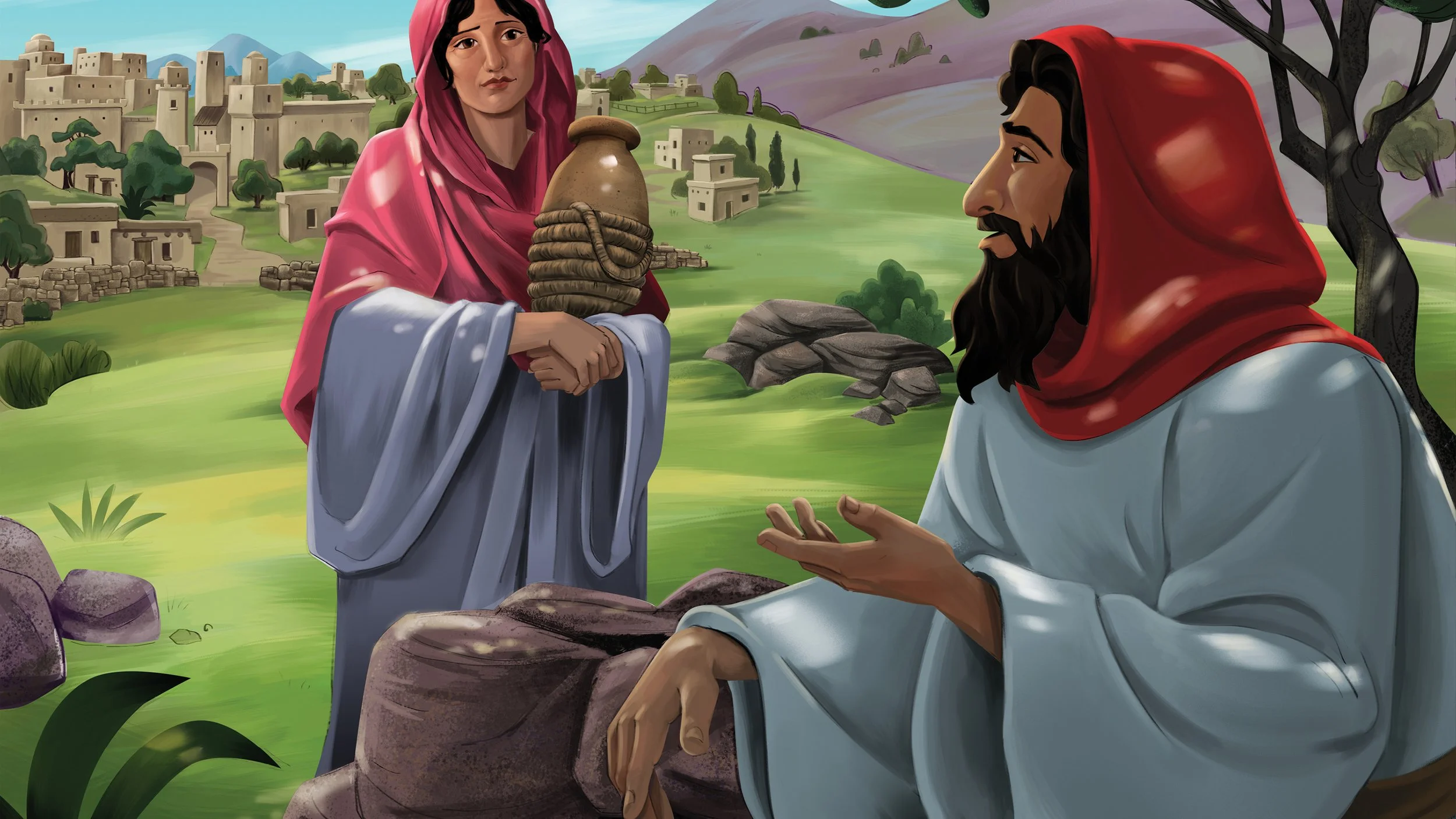
Volume 7: Jesus Told a Woman About Living Water

JESUS TOLD A WOMAN ABOUT LIVING WATER (JOHN 4)
A clear reality that echoes throughout the New Testament is that God sends those He saves. Jesus commanded His disciples to go and tell others about Him. (Matt. 28:18-20) The story of Jesus and a Samaritan woman in John 4 also provides reminders of this idea.
Upon the Samaritan woman’s hearing that God Himself was standing before her, she left her water—the very thing she had come to the well for—and returned quickly to her town to tell of this man.
Her response was not to run from Jesus but to expend her energy bringing others to Him: “Come, see.” At the very least, she concluded that He was the Messiah. At the very most, she had surrendered to His authority over her life and was now trusting in His power to forgive. Either way, she was moved to go and tell.
Immediately following this, Jesus used the question of His need for food to exhort the disciples to go and tell as well. After telling the disciples that He is fulfilled by doing the work of God, Jesus shared with His friends that they too were created to participate in the work of God— sowing and reaping by bringing men, women, boys, and girls to Jesus.
Ultimately, Jesus called these men to follow Him so they would experience joy in His presence forever, glorify Him, and invite others to do the same. He saved them to participate in the mission of God to make known the hope found only in Him.
And the same is true of us as well. Those whom God has saved are also sent by Him so that people in their communities and all over the world can receive the invitation to come and see the Savior—Jesus Christ.
Jesus calls us to Himself and then He sends us to go. When we take part in the mission of God, we are demonstrating that we love Jesus more than anything. Before He ascended to heaven, Jesus also promised that we don’t take on this mission alone. He will surely be with us—by the gift of the Spirit.
The Lord saves us and commands us to share the hope of the gospel. As we participate in His mission, He promises to be with us and produces joy within us as others come to faith in Him. Jesus is worthy.



Primary (K5-1st)
Welcome to our Primary Class!
Sundays 10am & 11am


We love our K5-1st grade children! They are beginning to learn to read. They enjoy opportunities to move. They play cooperatively. All their large and fine motor skills are developing. Our volunteers teach children God’s Word in engaging ways, share the Gospel, sing God’s truths with hand motions and guide them through crafts and activities tailored to their developmental level.
Wednesdays at 6:45pm
Sparks (K5-Grade 2) learn and memorize God’s Word with an emphasis on developing caring relationships with their leaders. Bible biographies show children how others in Bible times interacted personally with God. Sparks learn that they can also know God personally through the gift of His Son, Jesus. Sparks also experience fun through songs, games and periodic crafts.

Nursery (Infant-2 year olds)
Welcome to our nursery
Sundays at 10am & 11am, 5pm; Wednesdays 6:45pm



Elementary (2nd-5th)

Welcome to our Elementary Class!
Sundays at 10am & 11am
We love our 2nd through 5th graders! They are learning to read God’s Word. They are thinking about God’s truth on a more deeper level. Some will take the spiritual journey to repent of their sins and put their faith in Jesus Christ. Our volunteers build relationships with children as they play, listen to God’s Word and share what God is doing in their hearts and lives.
Wednesdays at 6:45pm
Sparks (K5-Grade 2) learn and memorize God’s Word with an emphasis on developing caring relationships with their leaders. Bible biographies show children how others in Bible times interacted personally with God. Sparks learn that they can also know God personally through the gift of His Son, Jesus. Sparks also experience fun through songs, games and periodic crafts.
Truth & Training (Grades 3-5) kids begin with games, and our volunteers always have a Bible application for each one. Clubbers then transition to a Bible lesson, songs, and Bible memory in small group discussions led by caring adults who want to help them grow in their walk with the Lord. Check out our Awana calendar for more details.

Volume 7: Jesus Told Nicodemus About Eternal Life 8/6/23

JESUS TOLD NICODEMUS ABOUT ETERNAL LIFE (JOHN 3)
Light and darkness are contrasted throughout the Scriptures. In John 3, Jesus explained to Nicodemus the hope and grace of God and the means by which He saves. Consider what Jesus was saying as He emphasized this contrast in this conversation.
In John 3:19-21, Jesus said, “This is the judgment: The light has come into the world, and people loved darkness rather than the light because their deeds were evil. For everyone who does evil hates the light and avoids it, so that his deeds may not be exposed. But anyone who lives by the truth comes to the light, so that his works may be shown to be accomplished by God.”
Jesus said that judgment is coming—and has arrived—because people loved the darkness more than the light. Ultimately, Jesus was referring to Himself, having entered the world to overcome the darkness. But as John 1 says, He was not recognized as the light, even by His own people.
Some two thousand years later, the question is, do we too love the darkness, or have we truly received the light? And how can we know? Jesus helps us answer this question.
One might summarize Jesus’ response this way: if you love the darkness, your deeds will be evil. If you love the light, your works will be obvious evidence of the power of God. The evidence of whether we love the darkness or the light is found in the way we live.
Do you live in a way that expresses your love for light or for darkness? Is there a clear picture of the power of God in your decisions, actions, and words? Do people see the work of God and hear of His power when they interact with you?
It’s easy to answer these important questions with aspirations, but we cannot convince God of what is not true. And even further, our aspirations mean nothing without a deep dependence on God's transformation for our lives. Though we find evidence of what we love in how we live, ultimately God looks at the heart. Our lives will be evidence for loving God above all else. In our faithful pursuit of the light, the evidence will show itself.


Volume 7: Jesus Came to be a Sacrifice for Sins

JESUS CAME TO BE A SACRIFICE FOR SINS (HEBREWS 10)
The phrase “take away” has many different connotations and applications. For a four-year old, it means someone stole their toy. For a basketball player, it means a steal. For a math teacher, it means subtraction. So, what does it mean that Jesus came to “take away the sin of the world”?
In John 1:29, as John the Baptist saw Jesus coming along the banks of the river where he had been baptizing people and calling for repentance, John said, “Look, the Lamb of God, who takes away the sin of the world!”
This statement raises a question that’s important for every person: What does it mean that Jesus came to take away the sin of the world? A look to Hebrews 10 brings clarity as we seek to allow Scripture to help interpret the question.
The writer of Hebrews reminds us that the Old Testament sacrificial system was good, but not enough. Though this system proved to be a faithful response to the call of God for His people prior to Christ’s arrival, it was never intended to be a permanent means of atonement for the sin of God’s people.
Hebrews 10:12-14 says, “But this man [Jesus], after offering one sacrifice for sins forever, sat down at the right hand of God. He is now waiting until his enemies are made his footstool. For by one offering he has perfected forever those who are sanctified.”
Jesus was the perfect sacrifice because He lived a sinless life and died once as a single offering for sins. All who trust in His death and resurrection are eternally forgiven as His sacrifice has satisfied the wrath of God on their behalf.
This is what it means that Jesus takes away the sin of the world: Jesus died once for all, that those who trust in Christ would no longer be held captive by their sin and that they would be able to stand before God, redeemed by the blood of Jesus shed for sins. This is the greatest “take away” the world has ever known.
CHRIST CONNECTION: Jesus came to be the sacrifice for sin. He lived a sinless life, died on the cross, and rose from the dead. In Him, we have complete forgiveness once and for all.

Volume 7: Jesus Called His Disciples 7/23/23

JESUS CALLED HIS DISCIPLES (JOHN 1)
New Christians may find themselves wondering, Now what? What do I do? To answer these questions, we may talk with those new believers about Bible reading, prayer, community, and mission. Though these are all good and essentials things, they alone do not capture Jesus’ initial call to His disciples.
When Jesus first began calling disciples, He used two words: “Follow Me.” He didn’t say “Clean yourself up” or “Work harder.” He said, “Follow Me.”
The call to follow Jesus is a call to our souls to find rest. He invites us to be with Him and enjoy Him. Jesus’ invitation is not to be amazing, to do great things, or even to get to work. Jesus’ initial invitation is to follow Him.
Jesus has most certainly called His followers to go and do good works, but the order in which we heed His calling and instructions is vital to our spiritual health.
It’s easy for us to get caught up in the activity of God, the work of His mission, and the effort we must engage in to grow as He desires for us; however, these are not to be first.
God calls us to come to Him; draw near to Him; and to see a glimpse of His goodness, beauty, splendor, and grace. And it is only in seeing these realities that we will go and do faithfully. For if we seek to go and do before we come and see, we will find ourselves in a spiral of constant despair feeling like we are falling short or equally as dangerous, feeling like we must earn our way to God.
Jesus’ call to His disciples to come and see is the same invitation that we have today. Whether we have walked with God for decades or are new to the faith, our greatest need is to draw near to God and experience His glorious grace. It is then that we will see Him for who He truly is, understand ourselves more fully, and then live faithfully for His glory.



Volume 7: Jesus Was Tempted 7/16/23

JESUS WAS TEMPTED (MATTHEW 4; LUKE 4)
We’ve all felt some degree of hunger at one time or another. We may have had a long day at work with no time for lunch and come home hungry. We may have had a hard workout and found ourselves craving a large meal shortly afterward. We may have skipped breakfast in a hurry to get to church only to hear our stomach growl as the pastor shares that he’s wrapping up for the third time. Hunger reminds us that there is something we require to satisfy a physical need.
Have you ever felt a similar sense of hunger deep in your soul, a hunger for God? Have you ever found yourself longing for a moment with God, an experience of His Spirit, a message from His Word?
The temptation of Jesus teaches us how to face temptation ourselves, but it also subtly reminds us of the blessing that comes as we hunger for God.
The first experience of temptation for Jesus came in the form of the enemy, Satan, tempting Him to use His power to turn stones into bread. Jesus’ response reminds us that feeding on God’s Word is the ultimate source of satisfaction.
In our own lives, we may hunger for a million different things. We may deeply desire companionship, food, a feeling, money, a job, notoriety, and so on. Those things can all be very good things, but they are not what Jesus was referring to when He spoke to the tempter.
Jesus spoke to the blessing that comes in hungering and thirsting for God Himself because, as is the case in all things Jesus said and did, He is God and knows what’s best.
What do you long for above all else? Do you find a deep longing in your soul for God? Do you recognize that nothing else in this world will satisfy that desire? And are you satisfied with Him giving you Himself to meet your greatest need? Not only does the Scripture say that there is blessing in hungering for God, but your experience will also prove that nothing will satisfy you like He can and will.


Volume 7: Jesus Was Baptized 7/9/23

JESUS WAS BAPTIZED (MATTHEW 3; MARK 1)
What gives you hope? It seems like a simple question, and most of us who regularly attend church likely know the “right” answer to the question. However, it’s the most important question for every person who has ever lived because your answer will determine your security and eternity. Unlike the hope the world has to offer, we can have a sure and steadfast hope that will never fail.
In the Gospel accounts of Jesus' baptism, we see John the Baptist offer words of warning that lead us back to the question, what gives you hope?
John warned the Pharisees sternly that no family, tradition, or outward practice is sufficient to save people from the wrath of God due to them for their sin. People are saved only by the grace of God received through faith and repentance.
The same is true today. Though we may be tempted to find our hope in the faith journey of our parents, grandparents, or even children, those experiences are not sufficient to save. Though it is a gift to have family members who have placed their faith in Christ, our hope does not come from them.
Similarly, no tradition is sufficient to save either. Though we may uphold the traditions and practices—baptism, the Lord’s Supper, prayer, and so forth—those practices alone are not able to save from sin and secure eternity with God.
John the Baptist made it clear that the faith that leads to repentance brings the certainty of salvation. The larger context of the New Testament reminds us that this repentance is always paired with genuine faith. When these are present, the believer will bear the fruit of the Spirit.
What gives you hope? The only true answer is that we must put our hope in Jesus. Only faith in His finished work on the cross rescues us from sin and death, empowers us to live for Him, and promises us life with God forever.


Volume 7: Jesus Was Dedicated 7/2/23

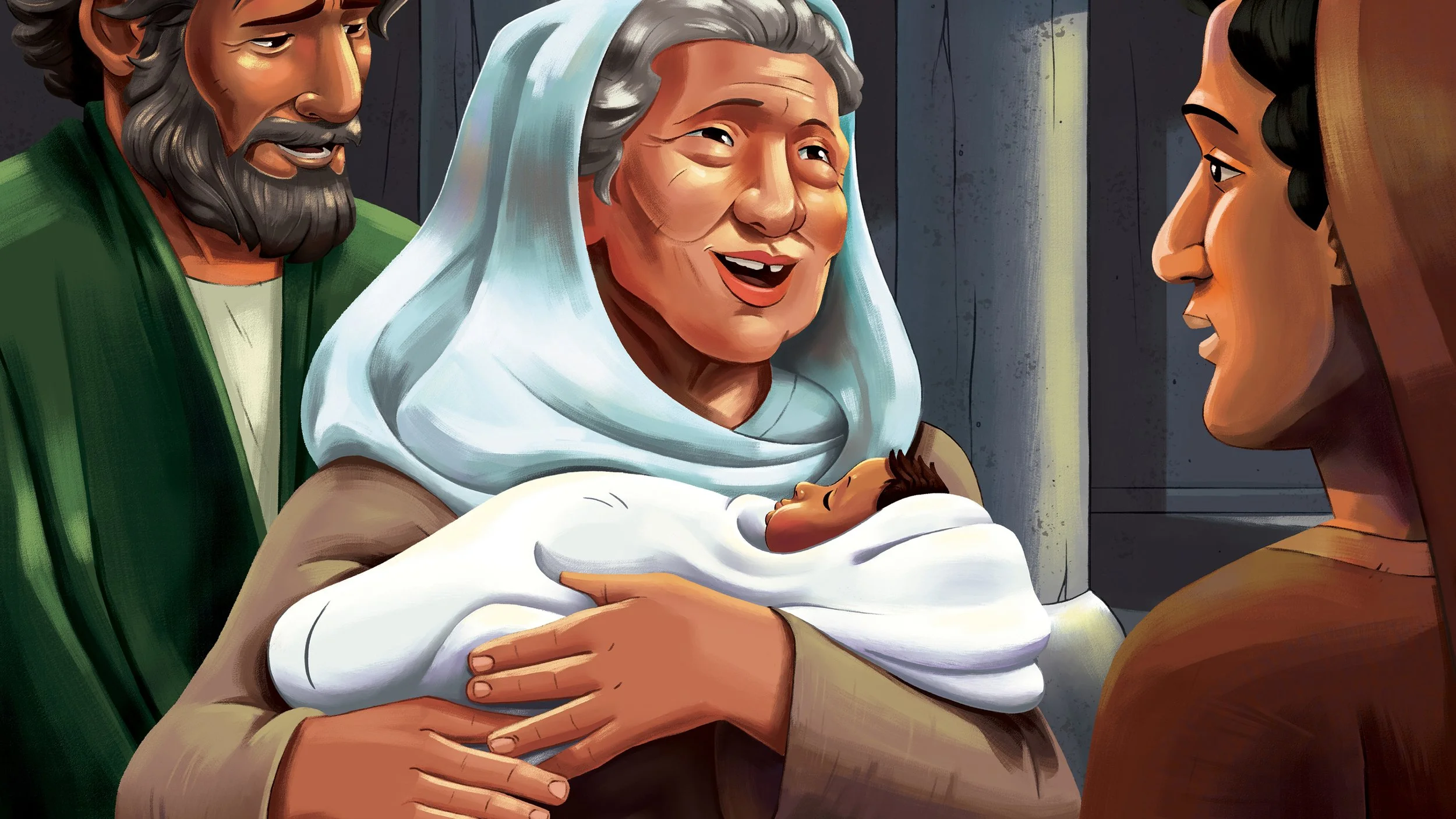
JESUS WAS DEDICATED (MATTHEW 2; LUKE 2)
As the narrative of Jesus’ early days on earth unfolded, several unique people are introduced who teach us lessons about our own journey. We find the wise men who sought Jesus with persistence, Herod whose power was threatened by this newborn King, and others such as Simeon and Anna—both who demonstrated a remarkable devotion to the Lord.
In Luke 2, Simeon and Anna are described as people who are deeply committed, faithful, and devout followers of God. Simeon is described as one who was old in years—near death—and desperately waiting for the Messiah to come. So, you can imagine the significance of that moment as Simeon saw the Christ child and rejoiced.
Anna, also old in years, had been faithfully worshiping God through fasting and prayer in the temple for 84 years. It is easy to imagine the joy she had upon seeing Jesus in the temple and her eager desire to tell everyone about this glorious child.
Both Simeon and Anna came upon the incredible blessing of seeing, celebrating, and worshiping Jesus because of their faithfulness to the Lord. Both were in the place the Lord wanted them to be, faithful to God over the years, and daily looking for the Lord in everything they did.
Imagine if your daily decisions were influenced by similar factors. You were deeply committed to being in the places God wanted you to be, you were seeking to be faithful over the decades, and in all that you did you were pursuing what the Lord might have for you. What would have to change in your life, in your motivations, and in your decisions to make this true of you? In what ways would you see and experience the blessings of God’s good gifts even more?
Faithfulness like that of Simeon and Anna doesn’t earn any additional degree of salvation before God. But it can produce more opportunities to see the work of God in your life, even if it’s only because you’re more attuned. What a blessing that would be for each of us as well.


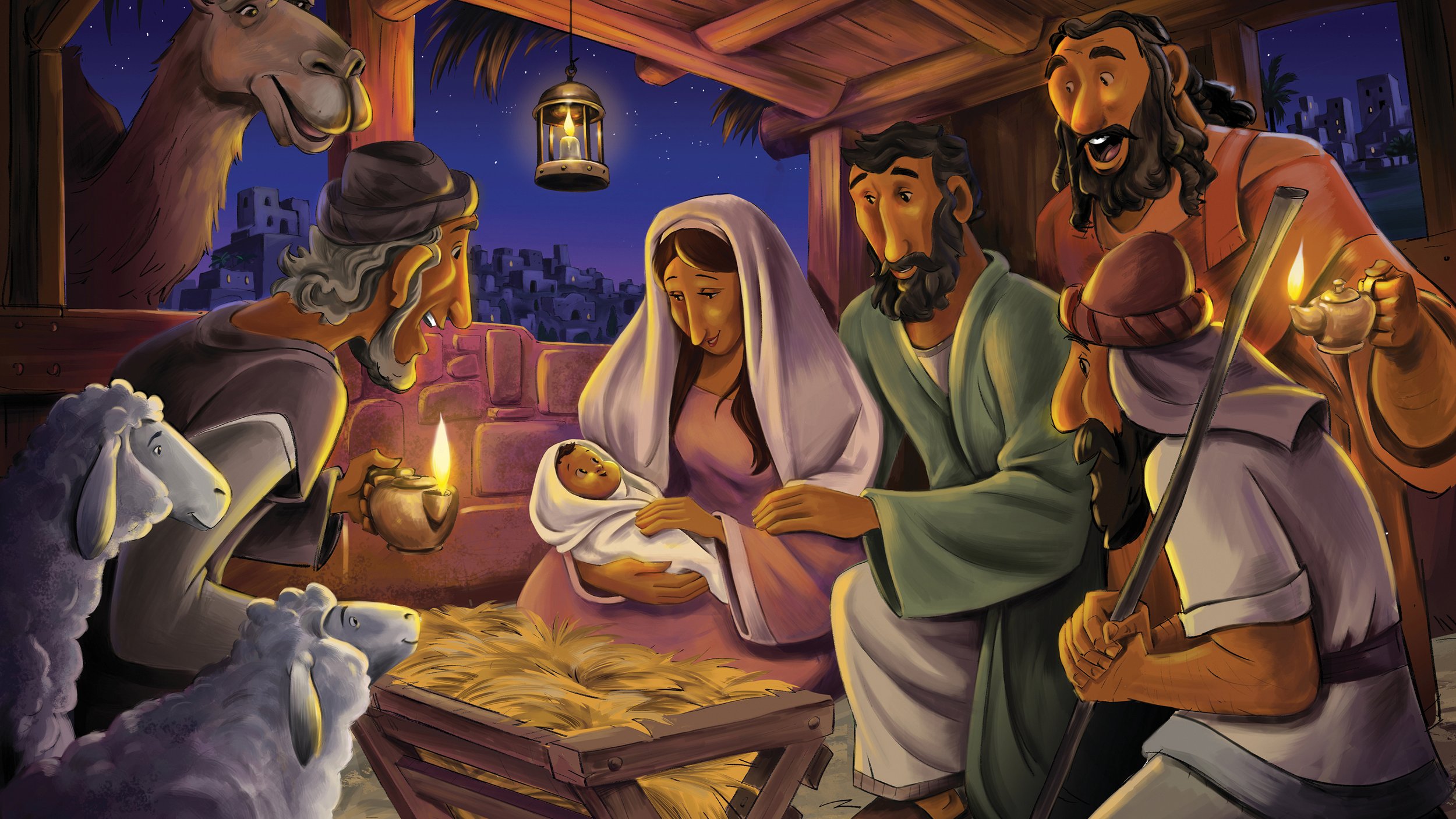
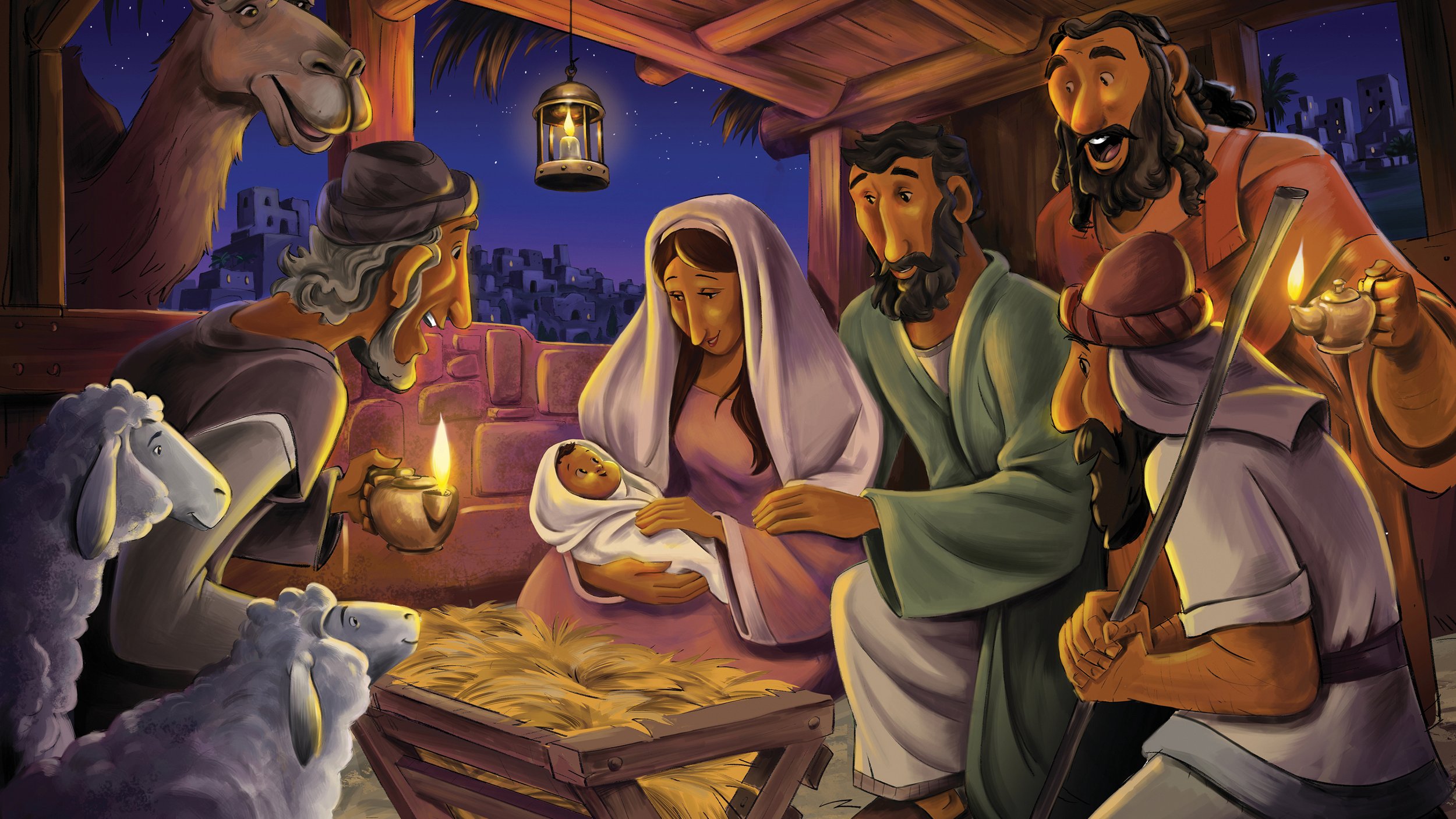
Volume 7: Jesus Was Born 6/25/23

JESUS WAS BORN (MATTHEW 1, LUKE 2, JOHN 1)
How many times have you read or heard the narrative of Jesus’ birth? When interacting with a familiar Bible story, it is easy to simply skim over it and assume we understand all there is to know about it. Rather than taking that approach, spend time this week meditating on Luke 2:1-20.
The detailed account of His conception and birth, as well as the details between those two events provide the believer with a gift of God’s grace that is far too important to gloss over. This event preceding Jesus’ ministry, death, and resurrection lays the foundation for a close and thoughtful study of the Gospels.
The details around the conception and birth of Jesus provide reason for amazement and strengthen our faith. Consider the detail of Mary having been a virgin, fulfilling the prophecy of Isaiah 7:14. Jesus was born in the small town of Bethlehem, fulfilling the prophecy of Micah 5:2. He was born into the family line of Abraham, Isaac, and Jacob—fulfilling God’s promises in Genesis 12:3; 17:19; 28:14.
All of this ought to cultivate a sense of wonder at the divine intervening in the human world, and an amazement at the detail to which God worked out His plan.
Additionally, recalling the details of Jesus’ birth ought to generate affirmation in the believer’s heart and mind. The uniqueness surrounding the birth of Jesus affirms His claims of being the Son of God.
Finally, the birth narrative should grow the anticipation of the believer. At the end of the New Testament, the book of Revelation sheds light on the end of sin and death, the final judgment of the living and the dead, and the new heaven and the new earth. These promises can seem distant or unlikely; however, the joy and gratitude that comes from understanding Jesus’ birth narrative can cultivate confidence in and anticipation of the future promises of Jesus.
Luke 2 invites us to behold our God, who—out of His great love for us—“emptied himself by assuming the form of a servant, taking on the likeness of humanity” (Phil. 2:7). Jesus came to earth to rescue sinners. The angels’ announcement to the shepherds in Luke 2:10 is also for us and for the nations: “Don’t be afraid, for look, I proclaim to you good news of great joy that will be for all the people.”


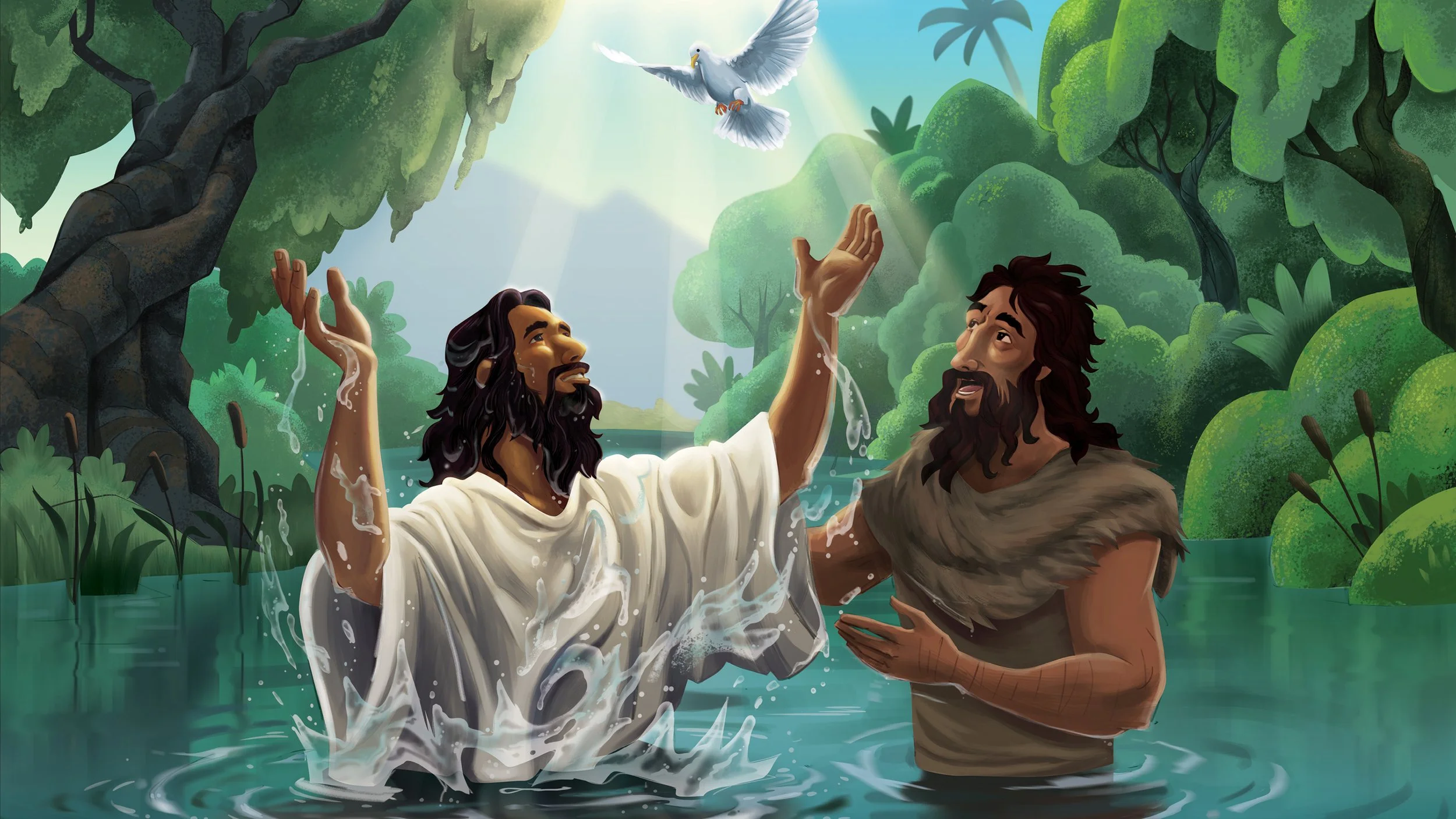
Volume 7: From Heaven to Earth

VOLUME 7: FROM heaven to earth
Heaven met earth when Jesus came to dwell among His people. A humble birth brought us our Savior and Redeemer, fulfilled ancient prophecies, and further displayed God’s love to the world.
UNIT 19: Preparing for Ministry
Jesus, the long-promised Messiah, had finally arrived, but in a rather unexpected way. From the start, though, every detail of Jesus’ life was to reveal and advance His mission of being the sacrifice for the sins of the world.
What did Jesus do to save us? Jesus lived a sinless life, died on the cross, and rose from the dead.
Key Passage: John 1:29
June 26 - Session 1: Jesus Was Born (Matthew 1; Luke 2; John 1)
July 2 - Session 2: Jesus Was Dedicated (Matthew 2; Luke 2)
July 9 - Session 3: Jesus Was Baptized (Matthew 3; Mark 1)
July 16 - Session 4: Jesus Was Tempted (Matthew 4; Luke 4)
July 23 - Session 5: Jesus Called His Disciples (John 1)
July 30 - Session 6 (Big Truth Session): Jesus Came to Be the Sacrifice for Sin (Hebrews 10)
UNIT 20: ENCOUNTERS WITH JESUS
Jesus’ early encounters with people revealed that He had come to be the Savior of all people—Jew and Gentile, male and female, rich and poor. All people have been made in God’s image and are loved by Him.
How do we know God loves us? We can know that God loves us because He gave us Jesus to forgive the sins of the world.
Key Passage: Romans 5:8
August 6 - Session 1: Jesus Told Nicodemus about Eternal Life (John 3)
August 13 - Session 2: Jesus Told a Woman about Living Water (John 4)
August 20 - Session 3 (Big Truth Session): God Loves All People (1 Corinthians 13)
UNIT 21: EARLY RESPONSES TO JESUs
As Jesus began His ministry of miracles and teachings, not everyone responded in the same way. Some rejected Jesus outright. Others were amazed by Jesus but didn’t understand Him. But some came to place their faith in Him and worship Him for who He is: the Son of God.
How can we be saved? We are only saved through faith in Jesus.
Key Passage: Hebrews 11:6
August 27 - Session 1: People Rejected Jesus (Luke 4)
September 3 - Session 2: People Were Amazed by Jesus (Luke 4)
September 10 - Session 3: Peter Worshiped Jesus (Luke 5)
September 17 - Session 4 (Big Truth Session): We Are Saved by Faith in Jesus (Hebrews 11)
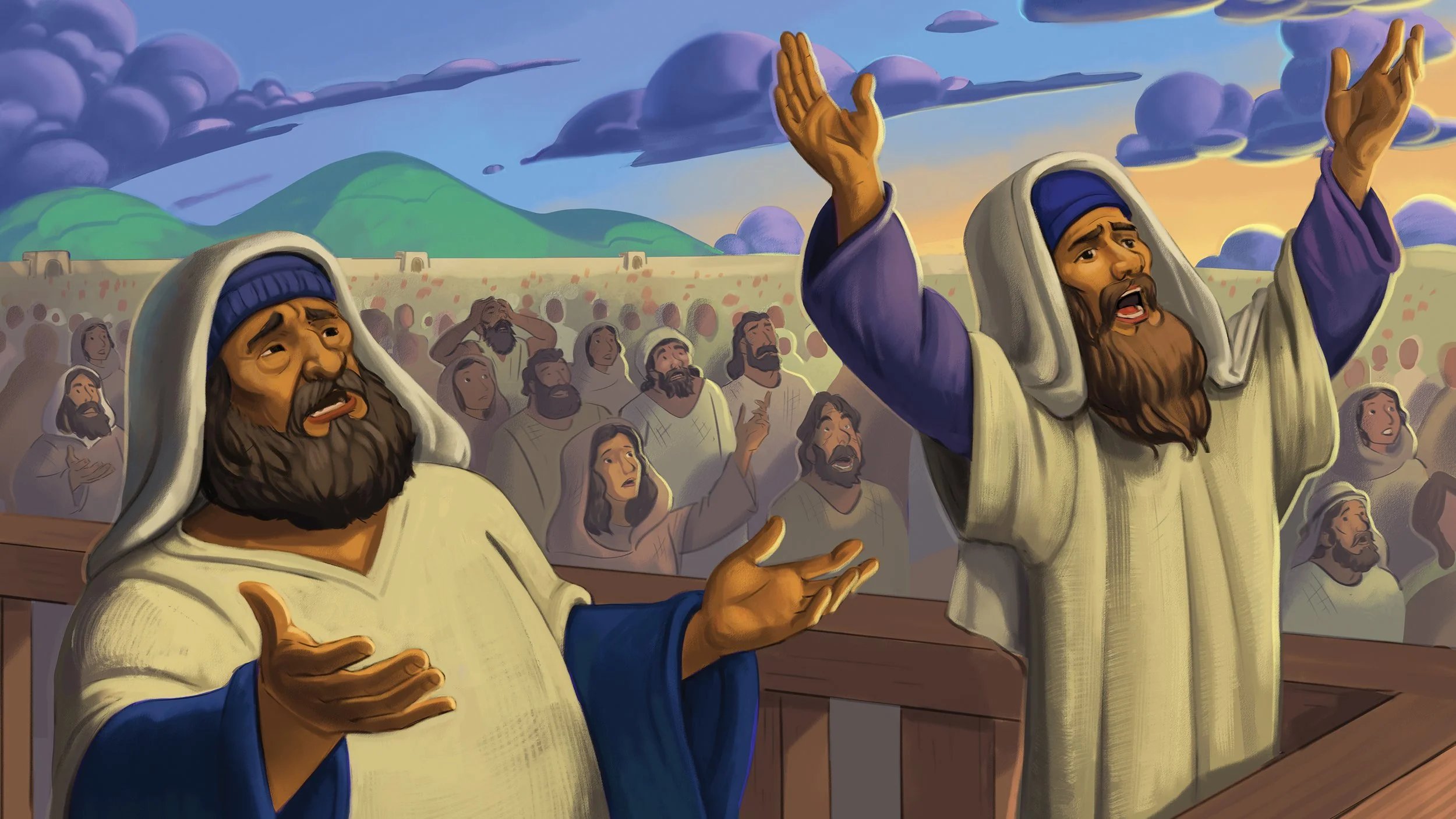
The People Promised to be Faithful

THE PEOPLE PROMISED TO BE FAITHFUL (NEHEMIAH 9-10)
What comes to mind when you think about confession? Do you think of sadness? Weeping and guilt? Shame and failure? What about worship?
When was the last time you came before God in true confession? What led to your admission of failure before a holy God?
The Bible is clear that “God’s kindness is intended to lead you to repentance” (Rom. 2:4). But what does the Bible say about what confession should look like? What does the Bible say should lead us to confession?
Nehemiah 9 gives insight in how to answer that question. The Israelites had gathered and were fasting and beginning to confess their sin when the priests chimed in with an appropriate pattern for how that confession ought to progress.
In this text, we discover that true confession of sin will never come before genuine recognition of the holiness of God. God’s people had promised to be faithful, but following their return from exile, the men of Israel intermarried with foreign women. Their were unfaithful to God, disobeying His commands. Yet God remained faithful.
The pattern of the priests is to first recognize, exclaim, and celebrate God’s goodness, faithfulness, holiness, and righteousness. Only out of those comes the reason for confession. For it is only when we see the majesty of the holy God that we see the weight of our sin and the punishment due to us as a result. Then, and only then, will we be drawn to the altar of honest confession before God. Yes, conviction must come, but it will only come when there is first an awareness of the greatness of God.
Set aside time to intentionally approach God to confess the sin in your life. Remember this pattern. That God wants your eyes fixed firmly on Him, even in moments of reflection and confession. For the moment we lose sight of Him is the moment we lose sight of the sinfulness of our sin, which is the moment before we lose sight of the necessity of confession.

